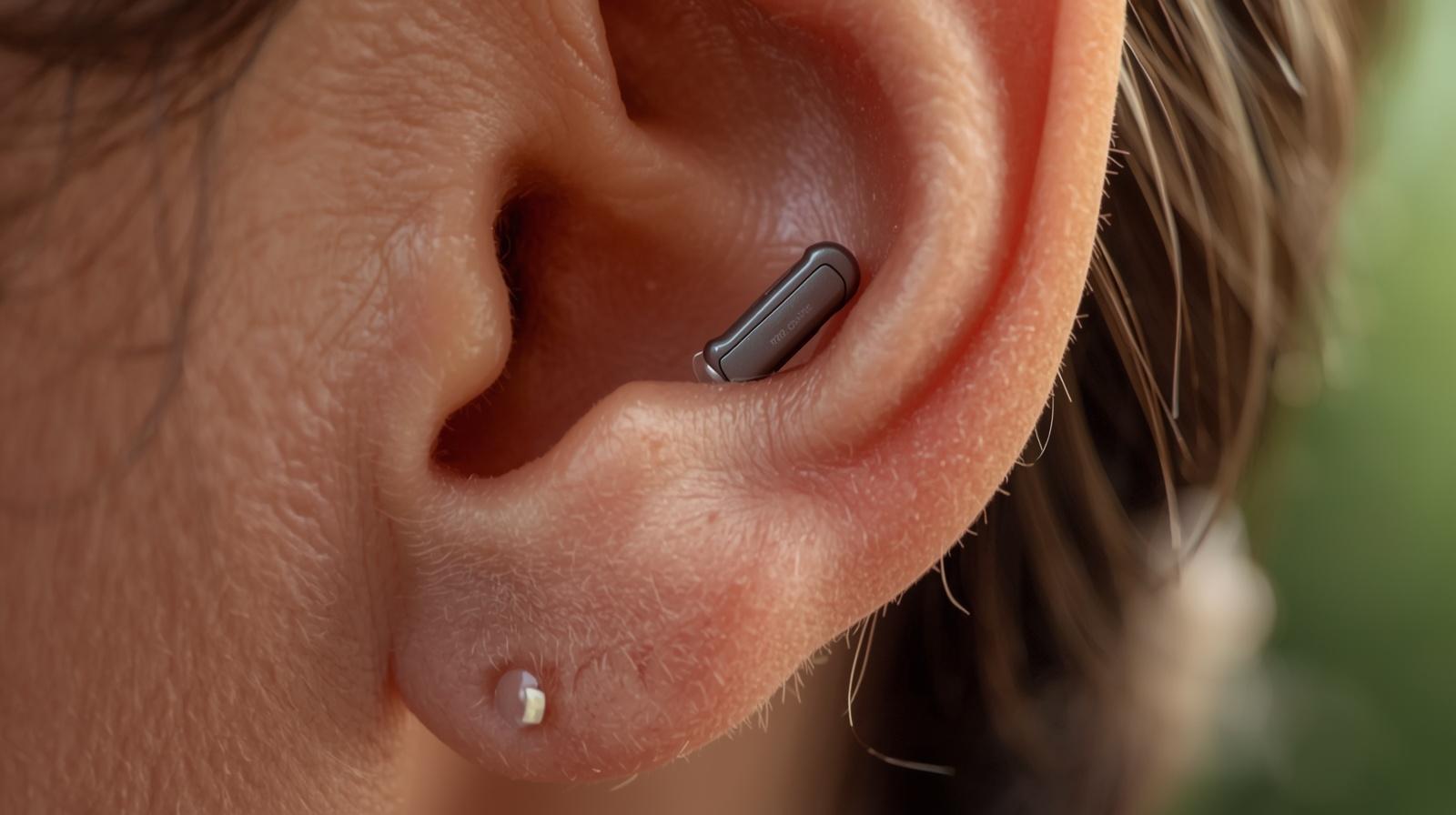
Hearing loss doesn’t announce itself. It creeps in quietly, missed words at dinner, subtitles turned on “just in case,” conversations avoided because they feel exhausting. Yet for tens of millions of Americans, hearing impairment is not a minor inconvenience. It is a life‑altering condition hiding in plain sight.
According to national health data, approximately 15% of American adults—37.5 million people aged 18 and over—report some trouble hearing, and the prevalence rises sharply with age. Despite its scale and consequences, hearing loss remains one of the most underdiagnosed and undertreated health conditions in the United States.
“Hearing loss is invisible, but its Impact on quality of life is profound,” says Dr. Frank Lin, MD, PhD, a leading researcher on aging and hearing health. “It affects how we communicate, how we connect, and even how we think.”
A Widespread Condition Few Talk About
Hearing impairment is not rare—it is common. Roughly 1 in 7 Americans, more than 50 million people, live with some degree of hearing loss. Among adults aged 18 and older, about 13% report difficulty hearing even with hearing aids, suggesting that untreated or inadequately treatedhearing impairment is widespread.
The problem intensifies with age: Profound Figures
-
5.5% of adults aged 18–39 report hearing trouble
-
19% of adults aged 40–69 experience hearing difficulty
-
Over 43% of adults aged 70 and older report hearing loss
-
Nearly 50% of Americans aged 75+ have disabling hearing impairment
This progression is not surprising. Age‑related hearing loss—known as presbycusis—develops gradually as sensory cells in the inner ear deteriorate. What is surprising is how rarely it is addressed.
“We screen aggressively for vision problems, blood pressure, and cholesterol,” notes audiologist and public health advocate Dr. Nicholas Reed. “But hearing loss—despite being strongly linked to cognitive decline and social isolation—often goes unchecked for years.”
The Gender and Workplace Divide
Men experience hearing loss at significantly higher rates than women, particularly later in life. Among adults aged 70 and older, 52.4% of men report hearing difficulty, compared with 36.2% of women.
One major factor: occupational noise exposure.
Approximately 12% of all American workers have hearing difficulty, often due to prolonged exposure to industrial noise in construction, manufacturing, transportation, and military service. Even with modern safety standards, cumulative noise-induced hearing loss remains common.
“Noise‑induced hearing loss is permanent, but it’s also preventable,” warns the National Institute on Deafness and Other Communication Disorders (NIDCD). “Once the damage is done, it cannot be reversed.”
And yet, hearing protection is still inconsistently used, especially in small businesses and self‑employed trades.
The Treatment Gap: Why So Few Get Help
Perhaps the most alarming statistic is not how many Americans have hearing loss—but how few treat it.
Only about 20% of people who could benefit from hearing aids actually use one.
The reasons are complex:
- Cost: Traditional hearing aids can cost thousands of dollars and are often not fully covered by insurance.
- Stigma: Many associate hearing aids with aging or frailty.
- Denial: Because hearing loss is gradual, people adapt without realizing what they’ve lost.
- Access: Audiology services remain unevenly distributed, particularly in rural areas.
“People wait an average of seven to ten years before seeking help,” says Katherine Bouton, author of Shouting Won’t Help. “By then, they’ve already withdrawn from conversations, relationships, and opportunities.”
More Than Hearing: The Cognitive and Emotional Toll
Hearing loss does not exist in isolation. Research increasingly links untreated hearing impairment to Depression, social withdrawal, increased fall risk, and cognitive decline.
When the brain struggles to decode sound, it reallocates mental resources—leaving less capacity for memory, reasoning, and focus. Over time, this strain compounds.
“Hearing loss is not just an ear problem—it’s a brain health issue,” says Dr. Lin. “Addressing it early may help preserve cognitive function as we age.”
Socially, the impacts are equally severe. Missed jokes, misunderstood instructions, and constant requests for repetition can make everyday interactions feel humiliating. Many people stop engaging.
A Cultural Blind Spot
Unlike glasses, which are normalized and even fashionable, hearing aids still carry an outdated stigma. This cultural blind spot allows hearing loss to persist untreated, even as technology improves dramatically.
Modern hearing aids are smaller, smarter, and more adaptable than ever. Over-the-counter options and regulatory changes have begun to expand access. Yet awareness lags behind innovation.
“We don’t shame people for wearing glasses,” says Helen Keller, whose own life underscored the importance of sensory access. “The only thing worse than being blind is having sight but no vision.”
The same could be said of hearing.
What Needs to Change
If hearing loss affects tens of millions of Americans, the response must be systemic—not optional.
Key shifts are needed:
- Routine hearing screenings as part of primary care
- Workplace noise enforcement and education
- Insurance reform to improve affordability
- Public campaigns to normalize hearing care
- Early intervention, not crisis response
The cost of inaction is not merely personal—it is societal. Reduced productivity, increased healthcare utilization, and diminished quality of life ripple outward.
The Sound of the Future
Hearing loss may be quiet, but it should no longer be ignored.
As America ages, the number of adults with hearing impairment will continue to rise. Whether we meet that reality with denial or with action will shape not only public health outcomes, but also how millions of people experience their own lives.
“To listen well is as powerful a means of communication and influence as to talk well,” wrote philosopher John Marshall.
It may be time we start listening to the data, to the experts, and to the millions of Americans who have been struggling to hear.
Framing the Crisis
“Hearing loss is one of the most common chronic health conditions in the United States—yet it remains one of the least treated.”
— Centers for Disease Control and Prevention (CDC)
“Untreated hearing loss carries consequences that extend far beyond the ears, affecting mental health, relationships, and long‑term independence.”
— World Health Organization (WHO)
“We are facing a public‑health issue that is growing silently, without the urgency it deserves.”
— Dr. Douglas Beck, Doctor of Audiology and former Editor‑in‑Chief, Hearing Review
Prevalence & Aging Section
“Hearing loss is not an inevitable or harmless part of aging—it is a modifiable risk factor.”
— Dr. Frank Lin, MD, PhD, Johns Hopkins Bloomberg School of Public Health
“The older we get, the more sound matters—because communication is the currency of independence.”
— Dr. Sergei Kochkin, Executive Director, Better Hearing Institute
“People often adapt to hearing loss without realizing how much cognitive effort they are expending just to follow a conversation.”
— Dr. Nicholas Reed, AuD, Johns Hopkins Cochlear Center for Hearing and Public Health
Workplace Noise & Gender Differences
These strengthen the occupational angle:
“Noise‑induced hearing loss is one of the most common—and most preventable—work‑related conditions.”
— National Institute for Occupational Safety and Health (NIOSH)
“Repeated exposure to loud noise, even below the pain threshold, causes cumulative and irreversible damage.”
— National Institute on Deafness and Other Communication Disorders (NIDCD)
“Men are disproportionately affected not because of biology alone, but because of lifetime exposure to hazardous sound environments.”
— Dr. David Fabry, PhD, Chief Innovation Officer, Starkey Hearing Technologies
Treatment Gap & Hearing Aids
These quotes directly address stigma and underuse:
“The biggest obstacle to hearing care is not technology—it’s perception.”
— Dr. Cliff Olson, AuD, audiologist and hearing‑health educator
“People delay treatment because hearing loss feels gradual, manageable, and easy to explain away—until it isn’t.”
— Katherine Bouton, author of Shouting Won’t Help
“We would never accept a 20% treatment rate for diabetes or heart disease, yet we tolerate it for hearing loss.”
— Dr. Frank Lin, MD, PhD
“Hearing aids are not a sign of decline; they are tools for participation.”
— Hearing Loss Association of America (HLAA)
Cognitive Decline & Mental Health
These elevate the stakes for magazine readers:
“Hearing loss increases the risk of social isolation, Depression, falls, and dementia.”
— National Academies of Sciences, Engineering, and Medicine
“When people withdraw from conversation, the brain receives less stimulation—and that matters.”
— Dr. Marilyn Reed, AuD, President, American Academy of Audiology
“Addressing hearing loss may be one of the most effective ways to preserve cognitive health as we age.”
— Dr. Frank Lin, MD, PhD
Cultural Stigma & Normalization
These work well in the cultural analysis section:
“We have normalized vision correction but continue to stigmatize hearing correction—and that delay has real consequences.”
— Dr. Sarah Sydlowski, AuD, Cleveland Clinic Hearing Implant Program
**“The irony is that modern hearing aids are more discreet and advanced than ever, yet resistance remains cultural, not