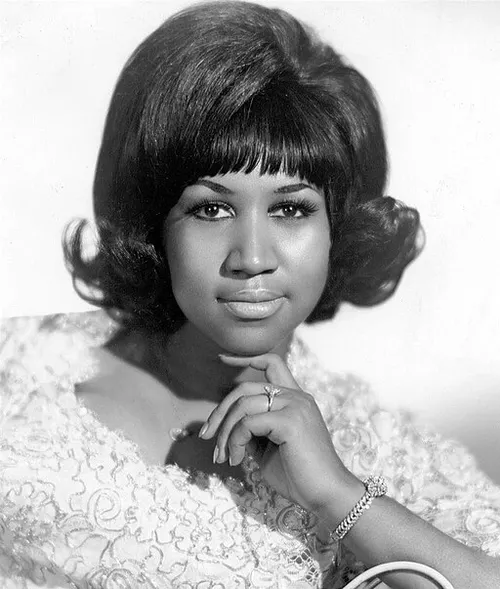
In the spring of 1967, Aretha Franklin’s ‘Respect’ didn’t just become a hit—it became an anthem for dignity and social change, linking music to broader movements of the era.
By the time it hit No. 1 on the Billboard Hot 100, “Respect” had become a shorthand for dignity—personal, political, and universal.
Videos:
https://www.youtube.com/watch?v=YS2lQs3-oBY
https://www.youtube.com/watch?v=L2v6ZEU4SLU&list=RDL2v6ZEU4SLU&start_radio=1
A Special Treat, Pretty Girls Dancing to Respect
https://www.youtube.com/shorts/PUfPo6UIhK0
https://www.youtube.com/shorts/mmykttmUrKU
From Church to the Charts: Why Aretha’s Voice Hit Different
Aretha Franklin’s gospel roots were essential to her vocal authority; her timing, call-and-response, and emotional depth defined her powerful performance style.
That background mattered because “Respect” isn’t only about melody. It’s about command—the way a voice can turn a simple phrase into a boundary line.
A Bold Reinterpretation: Taking Otis Redding’s Song and Reframing the Story
Almost unbelievably, Aretha wasn’t the first to record “Respect.” Otis Redding released the original in 1965, but Franklin’s 1967 version is the one that lodged in America’s collective memory.
What made her version seismic was the shift in perspective. The Library of Congress explains that Franklin and her sister Carolyn worked the song’s tempo and phrasing into something sharper and more declarative. This interpretation resonated across audiences, including women and Black Americans demanding equality.
Aretha didn’t merely cover “Respect”—she re-authored its meaning in public.
The Session That Became History
Franklin recorded “Respect” on 14 February 1967, at Atlantic Studios in New York, and it was released as a single that April.
Within weeks of release, ‘Respect’ became more than a radio hit; it was a cultural signal during 1967’s turbulence, reflecting and influencing social and racial upheaval.
When “Respect” Went No. 1—and Why That Moment Mattered
On 3 June 1967, Franklin’s “Respect” reached No. 1 on Billboard’s Hot 100, a milestone the Library of Congress highlights as both a chart achievement and a cultural flashpoint.
And the industry recognized it quickly. “Respect” earned Franklin two GRAMMY wins (for 1967 work, awarded in 1968), a launchpad into sustained mainstream acclaim.
Two minutes on vinyl became a permanent instrument of American self-definition.
Why It Endures: A Song That Became a Standard
“Respect” was later added to the National Recording Registry in 2002—an honor reserved for recordings judged culturally, historically, or aesthetically significant.
Its staying power comes from craft as much as message: the call-and-response energy, the way Franklin’s phrasing turns rhythm into insistence, and the iconic structural choices that made the performance instantly recognizable.
“Great singers don’t just hit notes—they redraw the map of what a song can mean. ‘Respect’ is proof: the same title, the same basic frame, and yet Aretha Franklin turned it into a public declaration of dignity that audiences could carry into their own lives.”