Summary
Honey, I Didn’t Think You’d Mind!
Ever Thought About Sneaking a Real Estate Loan Behind Your Spouse’s Back?
Bad idea. Really bad. Not only can it blow up your marriage, but it can also land you in a legal mess that makes divorce court look like a picnic.
Here’s the deal: If you and your spouse own property together, verifying spousal consent is essential. In California, that’s the Law. Ignoring it risks losing the property and your peace of mind.
The Real-Life Drama
A mortgage broker gets a call:
“My client wants a second trust deed on his home to start an iron fabrication business—custom gates, decorative railings, the works. He’s got equity; he’s owned the property for years.”
Sounds straightforward, right? Except for one tiny detail: the wife was never mentioned.
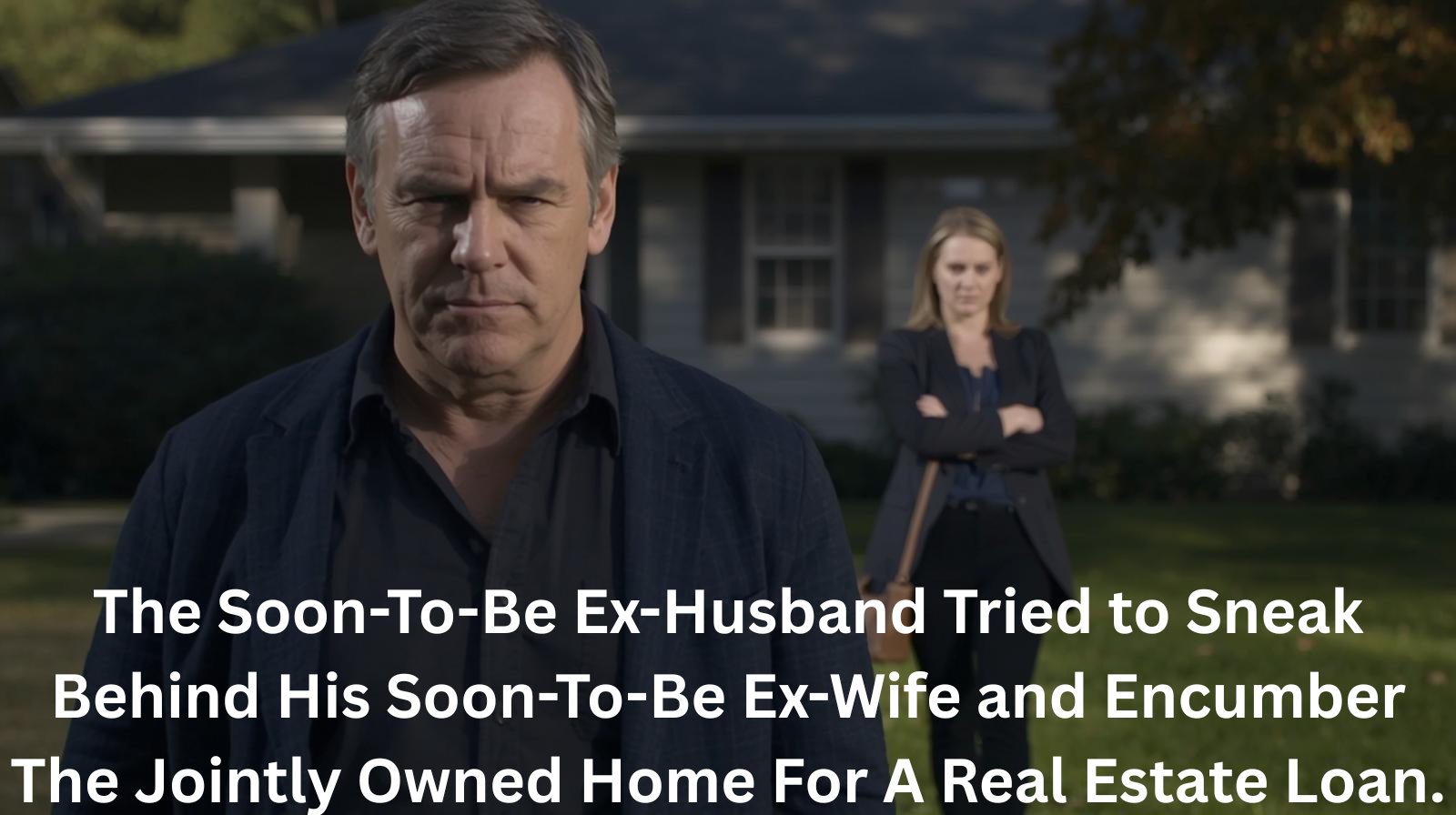
The broker hands over the paperwork. It comes back signed only by the husband. When pressed, the truth spills out: He never told his wife. She had no clue her home was about to become collateral for his dream business.
Why This Is a Disaster Waiting to Happen
When a property is encumbered without spousal consent in California, the non-consenting spouse can petition the court to void the transaction. This legal remedy underscores the importance of proper consent and informs professionals and individuals about the potential for legal action if laws are violated, emphasizing the need for diligence.
And for the broker? Failing to check the title and confirm spousal consent isn’t just sloppy—it’s a breach of fiduciary duty. That’s a big no-no.
The Fallout Isn’t Just Legal
Think about the emotional side: betrayal, mistrust, and resentment. Transparency isn’t just smart, it’s vital for maintaining trust and harmony.
Lessons Learned
- Don’t Play financial hide-and-seek: It never ends well.
- Know your state laws: Spousal consent isn’t optional.
- Brokers, do your homework: Pull a title report before you start dreaming about commissions.
- Get legal advice: It’s cheaper than a lawsuit.
Want to dive deeper into consumer vs. business purpose lending?
Check out my article: https://danharkey.com/post/consumer-vs-business-purpose-lending
Reference: https://schorr-law.com/community-real-property-spouse-or-domestic-partner-joint-ownership/
Real-world case outcomes highlighting what can go wrong when one spouse encumbers community property without the other’s consent:
⚖️ Case 1: Home Equity Loan Without Spousal Consent
A couple in California discovered post hoc that the husband had taken out a home equity loan without the wife’s signature. Under California’s community property rules, both spouses must consent to encumber community assets. The loan was declared voidable, and the lender faced significant legal hurdles—including the loss of lien priority and the potential invalidation of the loan.
⚖️ Case 2: Forged Signature, Mortgage Still Declared Void
In a dramatic dispute, Alita mortgaged their conjugal property, allegedly forging her husband, Rafael’s, signature to secure a loan. When the couple defaulted, Rafael sued to nullify the documents. Both the trial and appellate courts eventually agreed: the mortgage, executed without proper spousal consent, was wholly void—even though Alita made payments. The Court of Appeal emphasized that the absence of written consent renders an encumbrance legally non-existent under Family Code Article 124.
📌 Key Real-World Takeaways:
|
Outcome |
Details |
|
Voidable Transactions |
Unilateral loans on community property can be voided by the non-consenting spouse, often resulting in lenders losing their lien priority. |
|
Forgery Doesn’t Legitimize the Deal |
Even if a spouse acts alone, or even forges consent, the deal can be declared automatically void under Family Code Article 124. |
|
Lender’s Risk |
Lenders funding a spousal-encumbered property without proper consent risk having their security wiped out—becoming unsecured creditors. |
|
Emotional and Financial Fallout |
Beyond the legal void, these cases often lead to emotional estrangement, financial instability, and drawn-out divorce proceedings. |
Why This Matters for You
- Legal Exposure: If one spouse encumbers property without the other’s consent, the loan becomes legally vulnerable—even if the other party is unaware.
- Broker/Lender Liability: Failing to verify spousal consent can cost lenders their lien and threaten their position in default scenarios.
- Human Fallout: Decisions made in secret can fracture trust—and marriages.
Closing Statement
Before you decide to Play financial ninja and sneak a loan behind your spouse’s back, remember this: California Law isn’t impressed by stealth. Courts will void that deal faster than your spouse can say, “We need to talk.” The cost of secrecy? Your home, your business dream, and maybe half your assets. The cost of transparency? Absolutely nothing. Protect your property, your relationship, and your sanity—because trust is always cheaper than litigation.