Videos
https://www.youtube.com/watch?v=CdvITn5cAVc
David Bowie & Mick Jagger
https://www.youtube.com/watch?v=opRRax4ph3E
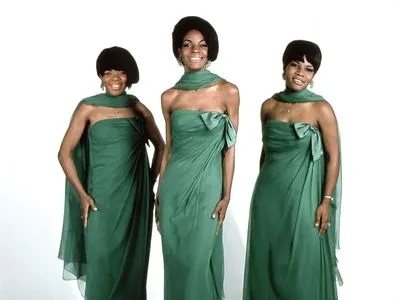
Released in 1964, “Dancing in the Street” by Martha Reeves and the Vandellas stands as one of Motown’s most enduring recordings—an exuberant call to joy that also captured the emotional undercurrent of a turbulent decade. On the surface, the song is pure celebration: a driving beat, a jubilant vocal, and an invitation for people everywhere to come together. Beneath that surface, however, it became something more—a cultural flashpoint that reflected the era’s hunger for unity.
Produced by William “Mickey” Stevenson and written by Stevenson, Marvin Gaye, and Ivy Jo Hunter, the track married gospel-inflected vocals with a muscular rhythm section. Martha Reeves’s performance is key to the power. Her voice is commanding but warm, turning what could have been a novelty dance tune into an anthem that feels urgent and inclusive. The Vandellas’ call-and-response backing adds momentum, pushing the song forward like a parade moving down a city block.
Commercially, the song was a breakout success. It climbed high on the U.S. pop and R&B charts and helped solidify Motown’s reputation for producing records that crossed racial and generational lines. Radio listeners heard it as an irresistible invitation to dance; live audiences experienced it as a communal event.
Yet “Dancing in the Street” also gained a deeper resonance as the 1960s progressed. Released during the height of the civil rights movement, its language of togetherness and public gathering took on symbolic weight. While the song was not written as a protest, many listeners heard in it an echo of collective action—people stepping into public spaces and claiming visibility. That dual meaning, joyful and serious at once, is part of what has kept the song relevant.
The track’s legacy has only grown. It has been covered by numerous artists across genres and, decades later, famously reimagined by David Bowie and Mick Jagger, introducing it to a new generation. Each version reinforces the song’s core strength: its ability to feel immediate, physical, and communal, no matter the era.
More than sixty years after its release, “Dancing in the Street” remains a reminder of Motown’s unique achievement—creating music that could make people move while also making them feel connected. Few songs capture that balance so completely, and fewer continue to invite the world to the same joyous gathering.