Summary
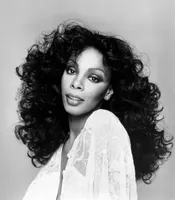
Donna Summer’s 1983 powerhouse hit “She Works Hard for the Money” stands as one of the most enduring anthems of working-class resilience. Frequently misquoted as “I Worked Hard for My Money,” the song’s legacy is rooted not just in its unmistakable hook and driving post-disco beat, but in a very real moment of empathy and inspiration experienced by Summer herself.
Released on 10 May 1983, as the lead single to her album of the same name, the track became one of the biggest hits of her career, reaching #3 on the Billboard Hot 100, #1 on the Billboard R&B chart, and earning her a Grammy nomination for Best Female Pop Vocal Performance.
The Moment of Inspiration: A Restroom Attendant Named Onetta Johnson
The story behind the song begins on the night after the 25th Annual Grammy Awards, when Donna Summer attended an afterparty at Chasen’s, a well-known West Hollywood restaurant. There, she encountered Onetta Johnson, a restroom attendant who had fallen asleep in her chair, exhausted from long hours of work. Summer described hearing the blaring television, turning the corner, and finding Onetta “asleep… completely worn out,” an image that stirred immediate compassion in her. This simple moment gave rise to the iconic line: “She works hard for the money.”
Summer later recounted how the idea struck with such force that she began repeating the phrase aloud to her Manager, realizing instantly that it was the seed of a new anthem. The next day, she brought the concept to producer and co-writer Michael Omartian, and together they fleshed out the track that would become the album’s final addition and its defining hit.
A Song Built on Real Struggle — and Real People
The opening line of the song even includes Onetta by name:
“Onetta, there in the corner stands…” — a tribute to the very woman whose exhaustion inspired the chorus. Onetta later appeared on the album’s rear cover, wearing a matching waitress outfit next to Summer.
The human connection in the song aims to evoke empathy, helping the audience understand the struggles of overlooked workers and fostering compassion.
Chart Triumph and Critical Impact
Upon release:
- The song hit #3 on the Billboard Hot 100
- Held #1 for three weeks on the R&B singles chart
- Became one of Billboard’s Top 15 songs of 1983
- Earned a Grammy nomination, and Summer performed it live to open the 1984 Grammy Awards ceremony
The music video, directed by Brian Grant, depicted women in various demanding roles — nurses, housekeepers, servers — ultimately joining together in a symbolic moment of shared strength. It also marked a milestone in MTV History: Summer became the first Black female singer to land a video in heavy rotation on the network.
This achievement emphasizes the song’s cultural significance, inspiring pride and respect for women in the workforce and their ongoing fight for dignity.
Why People Search “I Worked Hard for My Money” Today
Though the correct title is “She Works Hard for the Money,” many listeners search for or reference the line as “I worked hard for my money.” This is common in SEO behavior: users often recall lyrics imperfectly but seek meaning, backstory, and context.
The misquoted version typically appears in:
- Blog posts about workplace struggles
- Motivational articles
- Social media captions
- Long‑tail searches such as “song about working hard for your money.”
This makes it an ideal, semantic-rich keyword for modern search, especially in 2026’s AI-generated, intent-based search environment. Tools analyzing search patterns show that misquotes frequently outperform precise titles for meaning-related queries.
The song’s themes of perseverance aim to instill admiration and motivate listeners by celebrating hardworking women and their resilience everywhere.
At its core, the song champions women who work tirelessly in undervalued positions.
It acknowledges:
- Physical and emotional exhaustion
- Low wages and long hours
- The emotional burden of being relied upon
- The pride and dignity they maintain despite hardship
Modern interpretations still highlight these themes. Analysts note that the song speaks to the “struggles and perseverance of women in the workforce, celebrating their grit and resilience” — a message that remains timeless. [
Musical Composition: The Sound of Determination
Musically, the track blends new wave and post‑disco elements, with a driving tempo of 136 beats per minute, showcasing Summer’s vocal range from G♯3 to D♯5. These stylistic choices created an urgently energetic sound that mirrored the intensity of its subject’s day-to-day life.
Legacy and Continued Relevance
More than four decades later, “She Works Hard for the Money” remains a staple in discussions about labor, dignity, and women’s rights. Its message aligns powerfully with ongoing conversations about:
- Fair wages
- Service industry challenges
- Recognition for essential workers
- Economic inequality
The song stands as one of Summer’s defining contributions to American pop culture — a testament to empathy transformed into music.
Conclusion: A Misquoted Line with a Powerful Truth
Whether people search for “She Works Hard for the Money” or the misremembered “I Worked Hard for My Money,” they’re ultimately seeking the same thing: a song that honors perseverance.
Donna Summer turned one woman’s exhaustion into a global anthem — one that still encourages listeners to acknowledge and respect the unseen labor around them. Its story, chart success, and cultural Impact make it not only a musical achievement but a social one.