Video
https://www.youtube.com/watch?v=god7hAPv8f0
https://www.youtube.com/watch?v=ji-gH_yXjGo
https://www.youtube.com/watch?app=desktop&v=ji-gH_yXjGo&t=32s
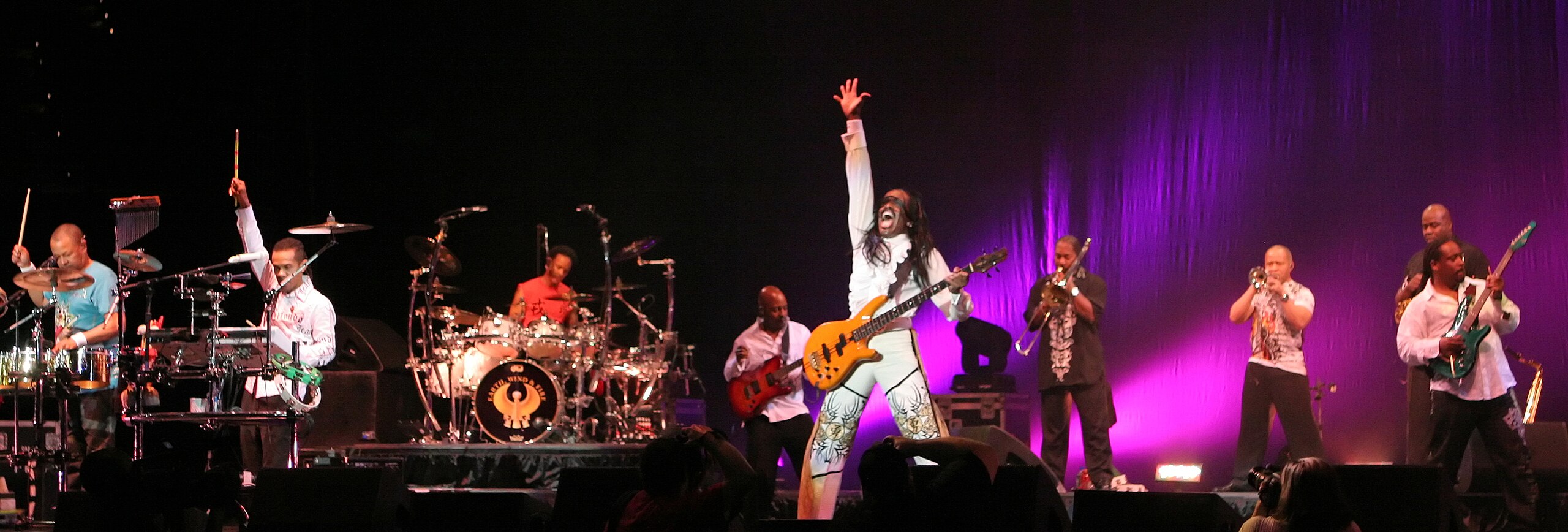
Earth, Wind & Fire (EWF) built a career on turning sophisticated musicianship into communal motion—music that invites everyone to feel connected and uplifted on the dance floor, rewarding both close listening and shared experience. Their founder, Maurice White, fused jazz training, R&B, and gospel roots with an expansive “universal love and harmony” ethos to create a sound that could be both spiritual and physically engaging. Formed in Chicago in 1969, EWF became one of the defining crossover groups of the 1970s by blending soul, funk, pop, and disco into a signature identity—horn-driven, rhythm-forward, and relentlessly uplifting.
The Song That Turns a Room into a Party
If you want a single track that captures EWF’s dance-floor genius and its Impact on dance culture, “Boogie Wonderland” is the obvious entry point. Released in April 1979 as the first single from the album I Am, the song is credited to Earth, Wind & Fire with The Emotions, and that collaboration is a massive part of its electricity—EWF’s bright, precision horns meeting The Emotions’ soaring vocal power. The track was written by Allee Willis and Jon Lind, and produced by Maurice White and Al McKay, which helps explain why it feels both tightly arranged and explosively fun. Commercially, it hit major charts (including #6 on the Billboard Hot 100 and #2 on Billboard’s Hot Soul Singles) and became a staple of late-’70s dance culture, influencing how people experienced social dance.
Beyond popularity, “Boogie Wonderland” earned industry recognition of its craft: it won a GRAMMY for Best R&B Instrumental Performance and was nominated for Best Disco Recording. In other words, it wasn’t just a club anthem—it was a high-level piece of groove architecture that musicians and dancers could both respect.
Where “Boogie Woogie Dance” Fits In
The phrase “boogie woogie” can mean a piano style. Still, it also names a dance—especially in Europe—where boogie-woogie (dance) is commonly described as a European variation of swing that developed in the 1940s and is often danced competitively. It’s a led, partnered dance (not choreographed in competition), typically built on a six-beat pattern called “step-step, triple step, triple step,” with the syncopation residing in the triple steps. While its name comes from boogie-woogie music, it’s frequently danced to rock and related up-tempo popular grooves—anything with a precise pulse and a playful swing feel.
So how does a disco-funk record like “Boogie Wonderland” connect to boogie-woogie dance? The answer is in the energy design: the steady drive, the bright accents, and the “call-and-response” vocal/horn interplay create obvious places for dancers to mark time, break, and re-enter—exactly what swing-family dances thrive on. This energetic structure mirrors the improvisational spirit of boogie-woogie dance, emphasizing its social and competitive aspects. Even when the groove leans toward disco, EWF’s funk foundation keeps the rhythm elastic and conversational, encouraging improvisation—a hallmark of boogie-woogie as both a social and competitive dance.
Why Boogie Wonderland Works for Boogie-Woogie-Style Movement
Several features make the track unusually “dance-instruction friendly,” even outside strict swing tempos. First, the arrangement is packed with crisp rhythmic markers—horn stabs, rhythmic guitar, and vocal cues—that help partners stay connected and hit accents together. Second, the song’s “party machine” structure—build, release, and repeat—mirrors how boogie-woogie dancers naturally cycle between basic steps and expressive variations. Third, the collaboration with The Emotions adds a bright “lift” that invites more vertical bounce and playful footwork, a familiar look in boogie-woogie’s European swing lineage.
A Simple Way to Dance “Boogie Woogie” to EWF (No Perfection Required)
If you want to try a boogie-woogie feel on “Boogie Wonderland,” start with the classic six-beat idea: two walking steps + two triple steps. In plain English: step, step, triple-step, triple-step (or the alternative phrasing used in some communities: triple, triple, step, step, depending on how your local swing scene counts). Keep your movements small, knees relaxed, and maintain a springy rhythm so you can respond to the horns and vocal hits without losing balance or connection. Then, for each chorus, add one deliberate “musical choice”: a break-step on a horn stab, a turn on a vocal lift, or a quick pause to punctuate an accent. These slight variations help you stay in sync and add flair to your dance.
The Bigger Point: EWF as a Gateway to Dance Culture
Earth, Wind & Fire didn’t just make songs—you can argue they engineered social permission to dance, bringing together audiences across genres and backgrounds with rhythms that feel inclusive by design. “Boogie Wonderland” is a perfect example: a record that celebrates escape and release while still carrying the musical sophistication that made EWF legendary. And whether you approach it as disco, funk, or “boogie woogie dance” inspiration, the result is the same: you end up moving, smiling, and wanting to pull someone else onto the floor.