How Blues Music Helped Form American Culture
Blues music helped shape American culture by giving voice to hardship, resilience, and everyday truth. Born in the Deep South from African American spirituals, work songs, and field hollers, the blues carried stories of loss, survival, love, and perseverance at a time when few other platforms existed for honest expression.
Its influence spread far beyond its roots. Blues laid the foundation for jazz, rock and roll, R&B, country, and soul—touching everything from Elvis Presley to the Rolling Stones to modern hip‑hop. More than a sound, the blues established an American tradition of emotional realism: saying what hurts, meaning what you sing, and turning struggle into shared human language.
Great Blues Artist:
While choosing a single “greatest” is subjective, most critics and historians center the conversation around three pivotal figures who define the genre’s past, present, and future:
Each represents a distinct era and style of the blues:

(The Mythic Foundation): Often called the “King of the Delta Blues,” Johnson is the bedrock of modern guitar. Despite recording only 29 songs before his death at age 27, he influenced nearly every major rock and blues artist, from Eric Clapton to the Rolling Stones, with his complex fingerpicking and haunting vocals. His legacy is famously tied to the legend that he sold his soul to the devil at a Mississippi crossroads for his musical talent.
https://www.youtube.com/watch?v=oEht5PbNWN4

(The Architect of Electric Blues): Known as the “Father of Modern Chicago Blues,” Waters bridged the gap between the rural South and the urban North. By electrifying the Delta sound with his slide guitar and commanding voice, he provided the template for rock ‘n’ roll. His band served as a training ground for other legends like Little Walter and Otis Spann.

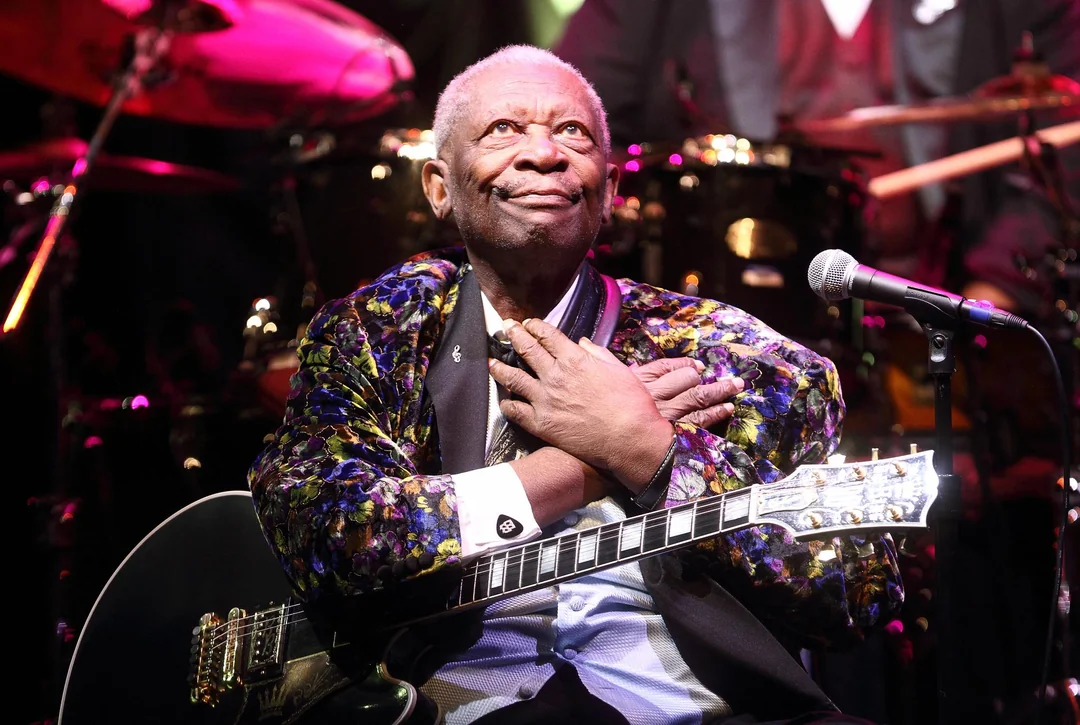
(The Global Ambassador): The undisputed “King of the Blues,” King brought the genre into the mainstream. His sophisticated soloing—defined by fluid string bending and his signature “hummingbird” vibrato—transformed the electric guitar into a leading voice. He was famous for his tireless touring and his beloved Gibson guitar, Lucille.
https://www.youtube.com/watch?v=SgXSomPE_FY
Other Essential “Greatest” Contenders

Known as the “Empress of the Blues,” she was the most popular female blues singer of the 1920s and 30s, possessing a powerful, emotionally raw voice that influenced both blues and jazz.
https://www.youtube.com/watch?v=0Hj0KZWivaM
A towering figure with a gravelly, “booming” voice and immense stage presence, he was Muddy Waters’ chief rival in the Chicago scene.
https://www.youtube.com/watch?v=HTDjD_UdJYs
https://www.youtube.com/watch?v=rPRbYcoTDHU
https://www.youtube.com/watch?v=Dwvpid88aIM

Often cited as the greatest living bluesman, he was a wild, high-energy performer whose style heavily influenced the blues-rock explosion of the 1960s.
https://www.youtube.com/watch?v=jqRF8qT73fI

He is credited with leading the massive blues revival in the 1980s, combining the styles of Albert King and Jimi Hendrix with technical ferocity.
https://www.youtube.com/watch?v=oJ-AEDkoPw4

He was the “Father of Electric Blues Guitar.” he was the first to use the electric guitar as a solo instrument, paving the way for