Summary
The Composer Who Made Movies Sing
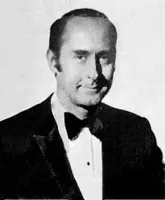
Henry Mancini (1924–1994) was one of the most recognizable musical voices in American film and television—a composer, arranger, and conductor whose melodies helped shape the sound of mid-century Hollywood, inspiring admiration across audiences and fellow musicians alike.
Born in Cleveland, Ohio, and raised in Pennsylvania, Mancini’s early musical life was shaped by both formal study and the swing era’s rhythmic swagger. After serving in World War II, he entered the professional studio world, eventually joining Universal-International, where he worked as an arranger and composer in the engine room of the film industry. That apprenticeship—writing, orchestrating, and adapting music quickly and precisely—honed the craftsmanship that later made his “signature” sound feel so effortless.
Mancini’s breakout arrived with television: Peter Gunn (1958) delivered a lean, brassy, jazz-forward theme that became a cultural phenomenon and proved TV music could be as stylish as cinema. From there, he became the go-to architect of musical atmosphere—equally capable of suspense, romance, comedy, and urbane cool.
His film themes are now part of popular memory: the sly, slinking motif of The Pink Panther; the wistful lyricism of “Moon River” from Breakfast at Tiffany’s (with lyrics by Johnny Mercer); and the bittersweet sophistication of Days of Wine and Roses. Mancini’s tunes didn’t just accompany scenes—they evoked deep feelings, capturing character and mood in a few precise bars.