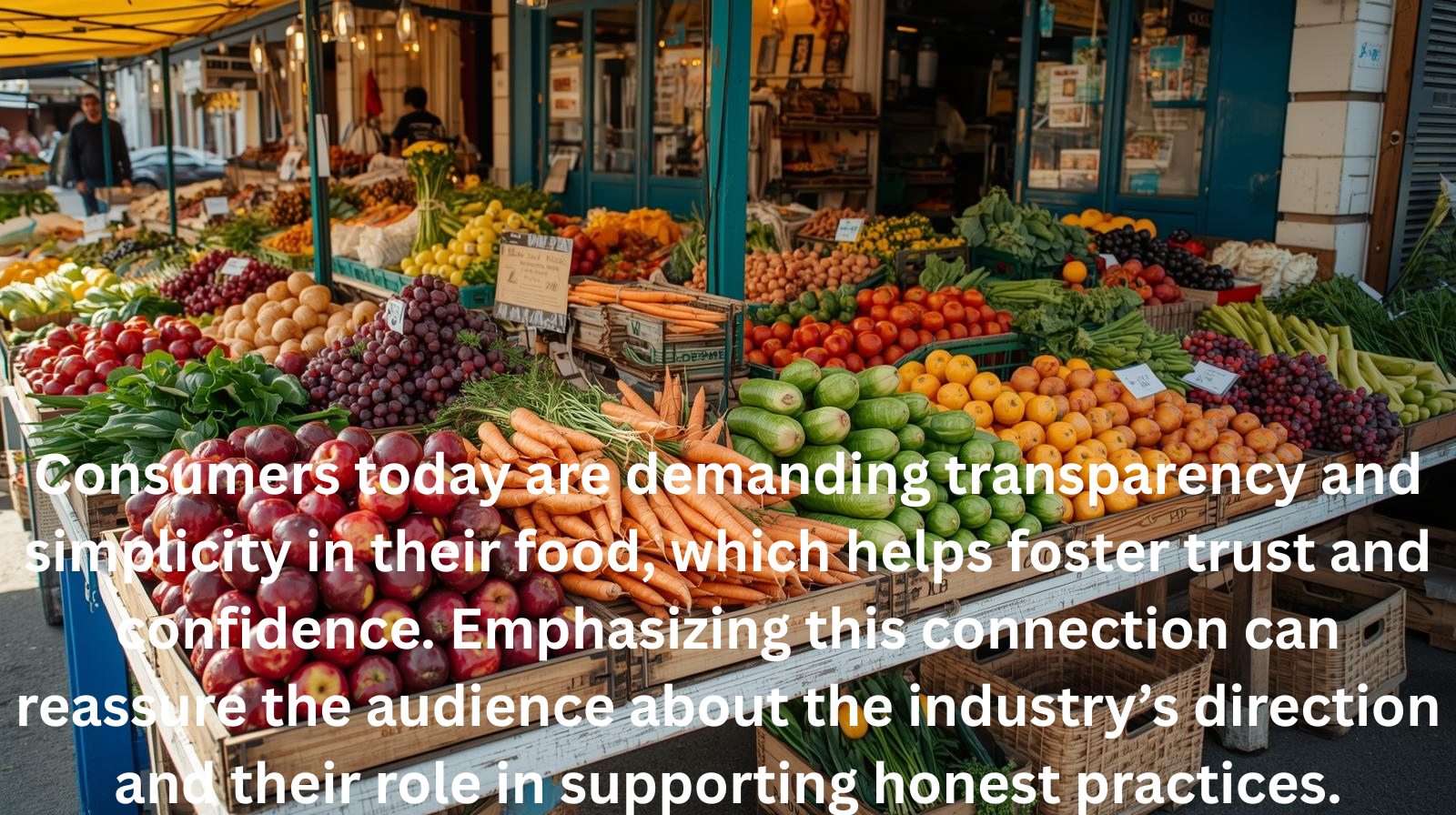
Natural vs. Synthetic Ingredients: What’s the Difference?
- Natural Ingredients: Derived from plants, animals, or minerals with minimal processing. Examples include beet juice for color, vinegar for preservation, and turmeric for flavor.
- Synthetic Additives: Lab-made compounds designed to mimic or enhance natural properties. Examples include FD&C Red No. 40 (color), sodium benzoate (preservative), and aspartame (sweetener).
Why the Shift?
- Consumer Demand: 64% of U.S. shoppers prefer clean-label products with natural colors and ingredients.
- Regulatory Pressure: The FDA and several states are phasing out petroleum-based synthetic dyes by 2026–2027.
- Health Concerns: Synthetic dyes have been linked to behavioral issues in children and other long-term risks.
Case Studies: How Brands Are Reformulating
1. Kraft Heinz: From Neon to Natural
Kraft Heinz began its clean-label journey years ago by removing artificial dyes from Kraft Mac & Cheese in 2016, replacing Yellow No. 5 and No. 6 with turmeric, annatto, and paprika. Today, 90% of its U.S. portfolio is dye-free, and by 2027, products like Jell-O and Kool-Aid will use natural colorants such as beet juice and spirulina—or be redesigned entirely.
Challenge: Maintaining vibrant colors without off-flavors.
Solution: Blending multiple natural pigments and adjusting solubility for better adhesion to pasta and sauces.
2. General Mills: Lessons from Trix
General Mills tried removing synthetic dyes from cereals like Trix in 2015, but reinstated some after consumer backlash over dull colors. This time, they’re investing in better natural alternatives—turmeric, blueberry concentrate, spinach powder—to keep cereals bright and appealing. Complete removal of artificial dyes across all U.S. products is slated for 2027.
3. Hershey: Candy Goes Clean
Hershey announced plans to eliminate all FD&C colors from its U.S. candy and snacks by 2027. Brands like Reese’s Pieces and Jolly Ranchers will transition to natural pigments such as black carrot and paprika extracts. The company cites consumer trust and regulatory compliance as key drivers.
4. Walmart: Retailer-Led Reformulation
Walmart is removing synthetic dyes and 30 other additives—including certain preservatives and artificial sweeteners—from all its private-label food brands (Great Value, Marketside, Freshness Guaranteed). By 2027, 41 additives will be gone, making this one of the largest retail reformulations in History.
5. PepsiCo and Conagra: Big Moves in Snacks
PepsiCo plans to phase out synthetic dyes from Lay’s, Doritos, and Cheetos by 2026, while Conagra is removing artificial colors from frozen meals like Healthy Choice and Marie Callender’s by the end of 2025.
Technical Challenges in Reformulation
Switching to natural colors isn’t simple:
- Stability Issues: Natural pigments fade when exposed to heat, light, and pH changes.
- Flavor Impact: Some natural colorants can impart unwanted flavors.
- Shelf Life: Natural additives often shorten product shelf life.
- Cost & Supply: Natural colors are more expensive and more complicated to source at scale.
How Consumers Can Identify Natural Products
- Read Ingredient Lists: Look for familiar names like “beet juice” or “turmeric” instead of “FD&C Red No. 40.”
- Check Certifications: USDA Organic seal ensures compliance with strict standards.
- Beware of “Natural Flavor”: It can still contain synthetic chemicals.
The Future of Food: Clean Labels as the Norm
The clean-label movement is no longer niche—it’s mainstream. By 2027, most major brands will have eliminated synthetic dyes and many artificial additives. Advances in plant-based pigments and natural preservatives are making this transition possible without sacrificing taste or visual appeal, inspiring confidence in a healthier future.
Technical challenges food companies face when reformulating products to replace synthetic additives with natural ingredients:
1. Color Stability
- Problem: Natural pigments (such as beet juice, turmeric, and spirulina) are susceptible to heat, light, and pH changes.
- Impact: Colors fade during cooking, pasteurization, or long shelf life, making products look dull compared to synthetic dyes that remain vibrant for years.
- Solutions:
- Microencapsulation of pigments to protect them from oxidation and heat.
- Using blends of multiple natural colorants to achieve desired hues.
- Adjusting product pH or packaging to reduce degradation.
2. Flavor Interference
- Problem: Many natural colorants and preservatives have distinct flavors or aromas (e.g., turmeric adds an earthy taste, beet juice adds sweetness).
- Impact: Alters the expected flavor profile of iconic products like candies or cereals.
- Solutions:
- Flavor masking agents (natural extracts like vanilla or citrus oils).
- Reformulating recipes to balance taste without compromising color.
3. Shelf Life and Microbial Stability
- Problem: Synthetic preservatives (e.g., BHA, sodium benzoate) are highly effective at preventing spoilage. Natural alternatives like vinegar or rosemary extract are less potent.
- Impact: Shorter shelf life, higher risk of mold or bacterial growth, especially in high-moisture products.
- Solutions:
- Combining multiple natural preservatives for synergistic effects.
- Modified atmosphere packaging (MAP) is used to slow microbial growth.
- Cold-chain logistics improvements.
4. Cost and Supply Chain Constraints
- Cost and Supply Chain Constraints: Natural additives are often more expensive and subject to seasonal variability, which can increase production costs. Consumers may face increased prices for products made with natural ingredients. Understanding these economic factors can help stakeholders balance health benefits with affordability and market viability.
- Impact: Increased production costs and potential price hikes for consumers.
- Solutions:
- Investing in vertical farming or controlled-environment agriculture for pigment crops.
- Developing concentrated extracts to reduce usage per unit.
5. Functional Performance
- Problem: Synthetic emulsifiers and stabilizers (e.g., polysorbates) provide consistent texture and prevent separation in sauces, dressings, and beverages. Natural alternatives like lecithin or guar gum may not perform as well under stress conditions.
- Impact: Texture changes, phase separation, or inconsistent mouthfeel.
- Solutions:
- Advanced hydrocolloid blends (e.g., combining guar gum with pectin).
- Process optimization (shear mixing, temperature control).
6. Regulatory and Labeling Complexity
- Problem: “Natural” is not legally defined by the FDA, but organic certification has strict rules. Reformulation must comply with multiple standards while maintaining marketing claims.
- Impact: Risk of consumer confusion and litigation if labeling is misleading.
- Solutions:
- Apparent compliance with USDA Organic or Non-GMO Project standards.
- Transparent ingredient disclosure and education campaigns.
7. Consumer Expectations
- Problem: Consumers want natural ingredients without sacrificing appearance, taste, or price.
- Impact: Reformulated products may face backlash if they look or taste different (e.g., General Mills’ Trix cereal case).
- Solutions:
- Gradual reformulation with consumer testing.
- Marketing campaigns explaining the health and sustainability benefits.
Real-world examples of how brands solved technical challenges when switching to natural ingredients:
Technical Challenges and Real-World Solutions
1. Color Stability
- Challenge: Natural pigments like beet juice and turmeric fade when exposed to heat and light.
- Example Solution – Kraft Heinz: When reformulating Kraft Mac & Cheese, they replaced Yellow No. 5 and No. 6 with turmeric and annatto. To maintain color vibrancy during cooking, they used microencapsulation techniques and adjusted the sauce’s pH to protect the pigments.
- Example Solution – General Mills: For cereals like Trix, they blended multiple natural colorants (spirulina, blueberry concentrate, turmeric) to achieve bright colors without synthetic dyes.
2. Flavor Interference
- Challenge: Natural colorants often add unwanted taste (e.g., turmeric’s earthy flavor).
- Example Solution – Hershey: When removing synthetic dyes from Jolly Ranchers, Hershey used black carrot extract for purple hues and paired it with natural flavor masking agents like vanilla and citrus oils to maintain the candy’s original taste.
3. Shelf Life and Microbial Stability
- Challenge: Natural preservatives like vinegar and rosemary extract are less effective than synthetic ones.
- Example Solution – Conagra: In frozen meals, Conagra combined rosemary extract with cultured sugar to create a synergistic preservative effect, and adopted modified atmosphere packaging (MAP) to extend shelf life without artificial chemicals.
4. Cost and Supply Chain Constraints
- Challenge: Natural pigments and preservatives are expensive and seasonal.
- Example Solution – PepsiCo: For snacks like Doritos, PepsiCo invested in vertical farming partnerships for paprika and beet crops, ensuring year-round supply and reducing cost volatility.
5. Functional Performance
- Challenge: Natural emulsifiers and stabilizers don’t always match synthetic counterparts in terms of performance.
- Example Solution – Walmart Private Label: Walmart reformulated dressings and sauces by using lecithin combined with guar gum and pectin blends to replicate the texture and stability previously achieved with polysorbates.
6. Regulatory and Labeling Complexity
- Challenge: “Natural” is not legally defined, but organic certification has strict rules.
- Example Solution – Amy’s Kitchen: Amy’s Kitchen pursued USDA Organic certification for its entire frozen meal line, ensuring compliance and transparency, while educating consumers through packaging and social media campaigns.
7. Consumer Expectations
- Challenge: Consumers want natural ingredients without sacrificing taste or appearance.
- Example Solution – General Mills (Trix): After initial backlash over dull colors, General Mills invested in consumer testing panels and gradually introduced improved natural pigments to meet expectations.
Microencapsulation and why it’s critical in food reformulation:
What is Microencapsulation?
Microencapsulation is a process where tiny particles or droplets of an active ingredient (such as a natural colorant, flavor, or nutrient) are coated with a protective material to form small capsules—usually ranging from a few microns to a few millimeters in size.
Think of it as creating a microscopic “shell” around the ingredient. This shell acts as a barrier against environmental factors like heat, light, oxygen, and moisture.
Why is it used in Food Reformulation?
When brands switch from synthetic additives to natural ones, they face challenges like:
- Color fading (natural pigments degrade under heat and light).
- Flavor instability (natural flavors oxidize quickly).
- Nutrient loss (vitamins degrade during processing).
Microencapsulation helps overcome these issues by:
- Protecting sensitive compounds during high-temperature processes like baking or pasteurization.
- Improving shelf life by reducing oxidation and moisture absorption.
- Controlling release so flavors or nutrients are delivered at the right time (e.g., during chewing, not during storage).
How Does It Work?
1. Core Material: The active ingredient (e.g., turmeric extract for color).
2. Wall Material: A coating substance such as starch, gum arabic, gelatin, or modified cellulose.
3. Encapsulation Methods:
o Spray Drying: Liquid mixture is sprayed into a hot chamber, forming dry capsules.
o Coacervation: Uses phase separation to deposit a coating around the core.
o Extrusion: Forces material through a nozzle and solidifies it into capsules.
Benefits of Natural Ingredients
- Heat Protection: Turmeric and beet pigments survive pasta cooking in Kraft Mac & Cheese because they’re encapsulated.
- Light Stability: Spirulina-based blues in cereals resist fading under store lighting.
- Flavor Masking: Encapsulation can hide off-flavors from plant extracts until consumption.
Real-World Example
- Kraft Heinz: Used microencapsulation for turmeric and annatto pigments to maintain bright yellow color in Mac & Cheese without synthetic dyes.
- General Mills: Encapsulated spirulina and blueberry extracts for Trix cereal to prevent color loss during extrusion and storage.
Closing Thoughts
The shift toward natural ingredients isn’t just a passing trend—it’s a movement reshaping the food industry. While reformulation comes with technical hurdles like color stability, flavor masking, and shelf-life preservation, brands are proving that innovation can deliver cleaner, safer, and more transparent products. As consumers, we hold the power to accelerate this change.
Start today by reading ingredient labels, choosing certified organic or clean-label products, and supporting companies that prioritize natural solutions. Share this knowledge with friends and family and let your purchases be a vote for a healthier, more sustainable food system. Together, we can make “natural” the new normal.