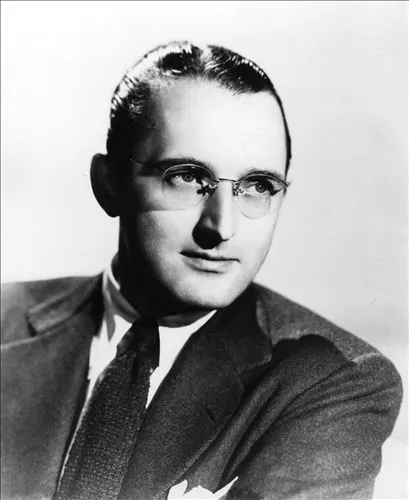
The Virtuoso Behind the Big Band Sound
Jimmy Dorsey (1904–1957) stands as one of the central architects of the Big Band era, inspiring admiration for his role in shaping American music. Known for his extraordinary skill on the alto saxophone and clarinet, Dorsey combined technical brilliance with a warm, lyrical tone that made his playing instantly recognizable. While History often pairs his name with that of his younger brother, trombonist and bandleader Tommy Dorsey, Jimmy’s individual contribution to American music was both distinct and enduring, earning respect among music enthusiasts and students alike.
Raised in a highly musical Pennsylvania family, Jimmy and Tommy performed together from an early age. By the late 1920s and early 1930s, Jimmy had become one of the most sought-after reed players in jazz, working as a studio musician and recording with top bandleaders. His impeccable technique earned him the nickname “The Master” among fellow musicians.
In 1935, the Dorsey brothers formed their first joint orchestra, but creative differences—fueled by strong personalities—led to a famous split. Jimmy went on to assemble The Jimmy Dorsey Orchestra, which quickly became one of the most successful swing bands of the era. His group was known for smooth, danceable arrangements and polished musicianship. With hits like “Amapola,” “Green Eyes,” and “Tangerine,” the band achieved both commercial success and critical acclaim, inspiring pride in its lasting Impact on American music.
Jimmy’s playing style balanced virtuosity with emotional depth. His saxophone solos were fluid and expressive, often weaving through melodies with ease and clarity, creating a sense of connection and admiration. He was also an early champion of the transition from swing to pop-style jazz vocals. The band’s collaboration with singers like Helen O’Connell and Bob Eberly helped define the “boy-and-girl” duet sound that became a hallmark of 1940s radio, fostering emotional engagement with listeners.
In the early 1950s, Jimmy reunited with Tommy for a joint television program, Stage Show, which helped introduce a new generation of performers—including a young Elvis Presley—to American audiences. Despite health challenges, Jimmy continued performing until his death in 1957, just a few months after Tommy passed away.