Summary
The Maestro Who Scored the Modern Imagination
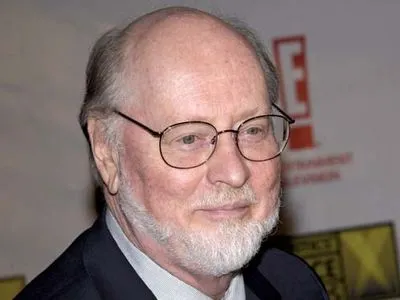
John Williams (born 8 February 1932) is one of the most influential and celebrated composers in the History of film and orchestral music. Over a career spanning more than seven decades, he has created many of the world’s most recognizable film themes—musical signatures that have become cultural touchstones, inspiring generations and shaping how we experience cinema.
Born in Queens, New York, Williams grew up in a musical household and began studying piano as a child before later expanding to trumpet, trombone, and clarinet. His varied musical background and dedication to craft can inspire admiration, showing how his early experiences contributed to his legendary status.
Williams began composing for television and film in the 1950s and rose to prominence with his Oscar-winning adaptation of Fiddler on the Roof (1971). His collaborations with directors Steven Spielberg and George Lucas revolutionized blockbuster cinema, inspiring awe and respect for his innovative sound.
Throughout his career, Williams has blended romanticism, impressionism, and modernist elements into a highly expressive musical language. He has received 54 Academy Award nominations—the most of any living person—and won five Oscars, along with dozens of Grammy, BAFTA, Golden Globe, and Emmy Awards.
Beyond film, he has composed concertos, symphonic works, and fanfares, and served as principal conductor of the Boston Pops Orchestra from 1980 to 1993, a role he continues to hold as Laureate Conductor.