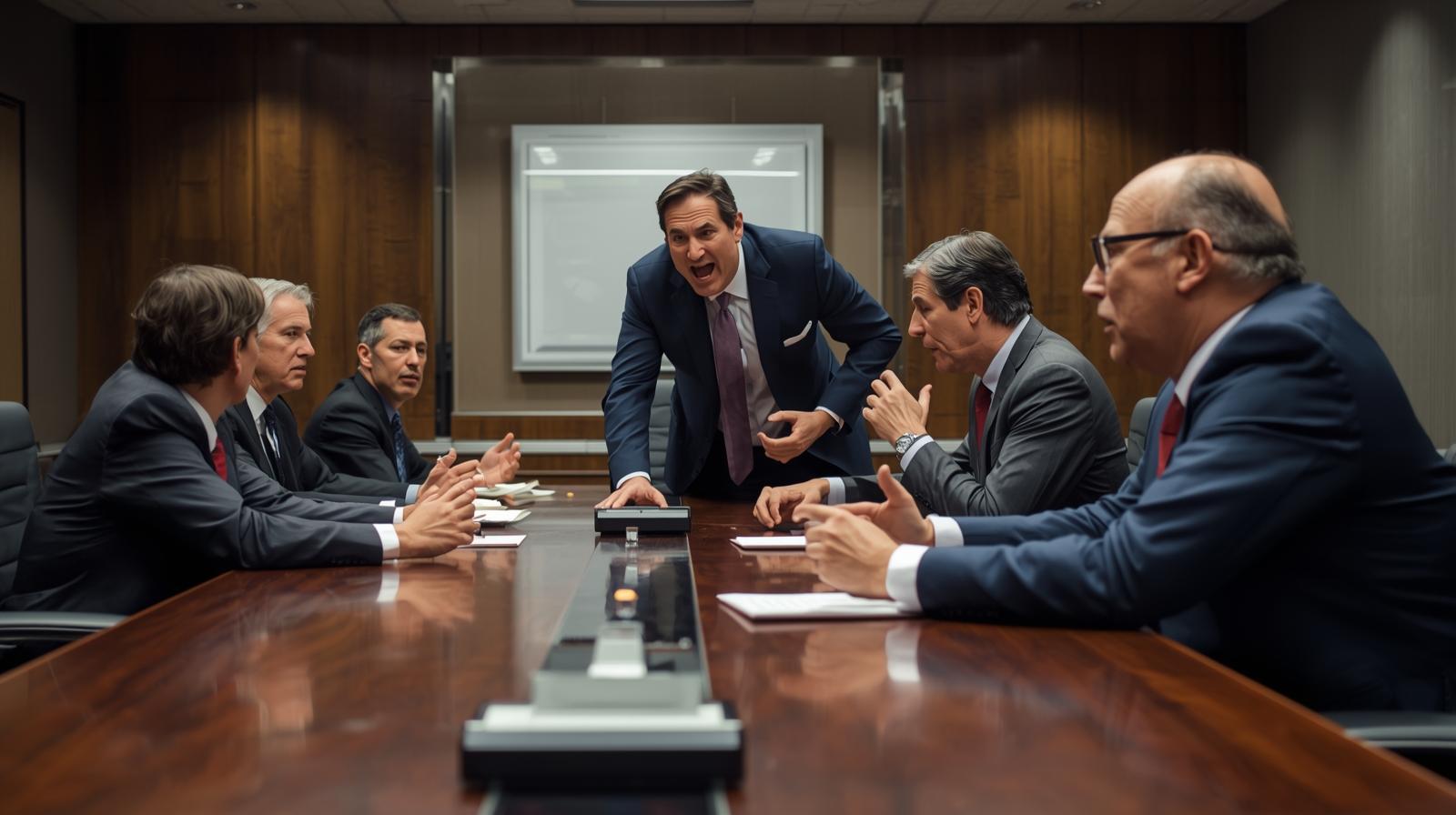
The backseat driver is more than an irritation. In business, family life, and culture at large, this figure has become a symbol of control without accountability—a dynamic that quietly erodes confidence, leadership, and progress.
A backseat driver attempts to hijack ownership of theleader’ss decisions. It’ss the outcome I’m good at; they own it; if the outcome is bad, you own it.
“Unsolicited advice is almost always experienced as criticism.”
— Susan Scott, leadership consultant and author of Fierce Conversations
What Is a Backseat Driver?
A backseat driver is someone who attempts to influence decisions without owning the consequences.
Literal Meaning
Originally, the term described a passenger—often not even seated in the back—who constantly told the driver how to operate the car, which route to take, or when to slow down.
Figurative Meaning
Today, the phrase applies broadly:
- A former boss is critiquing a project they no longer manage
- A relative meddling in parenting or financial decisions
- A colleague offering “help” after declining responsibility
“Advice is what we ask for when we already know the answer but wish we didn’t.”
— Erica Jong
Why Backseat Driving Triggers Such Strong Reactions
Psychologists note that unwanted advice strikes at the core of human motivation.
According to Self‑Determination Theory, people require three things to function well: autonomy, competence, and relatedness. Backseat driving undermines all three.
- It signals you can’t be trusted.d
- It questions your competence
- It disrupts healthy relational boundaries
“Responsibility without authority is demoralizing.”
— Peter Drucker
Backseat drivers invert this principle, exercising authority without responsibility—one of the fastest ways to create resentment and disengagement.
The Origins of the Term
The phrase backseat driver entered American slang in the early 1920s, alongside the explosion of automobile ownership.
One origin theory traces it to chauffeur culture, where wealthy passengers—seated in the back—frequently shouted instructions at the hired driver. The imbalance was clear: status without effort, opinion without risk.
By 1921, U.S. newspapers openly referred to the backseat driver as a “pest.” By 1923, the term was widely understood as someone offering unwanted guidance. Within a decade, it had become a metaphor for social interference, immortalized in Alice Grant Rosman’s 1928 novel The Back Seat Driver.
The language stuck because the behavior was already familiar.
Backseat Drivers at Work
Modern organizations are fertile ground for backseat driving.
Common examples include:
- Executives commenting without context
- Advisors offering direction without implementation
- Stakeholders second‑guessing decisions after opting out of responsibility
Leadership researcher Brené Brown draws a sharp line here:
“If you’re not in the arena getting your ass kicked, I’m not interested in your feedback.”
When commentary outpaces commitment, teams lose clarity, speed, and trust.
Why People Become Backseat Drivers
Backseat driving is rarely about expertise alone; more often, it reflects psychological discomfort.
Experts point to several drivers:
- Loss of relevance after authority fades
- Anxiety about uncertainty or risk
- Ego protection through critique
- Fear of failure by proxy
Carl Jung famously observed:
“Everything that irritates us about others can lead us to an understanding of ourselves.”
In this sense, the backseat driver is often wrestling with their own loss of control.
The Hidden Cost of Unwanted Advice
Research in organizational psychology shows that constant second‑guessing leads to:
- Reduced confidence
- Decision paralysis
- Learned dependence
- Weak leadership pipelines
“The best leaders are those whose presence is felt least.”
— Lao Tzu
True leadership creates space for judgment. Backseat driving fills that space with noise.
Related Idioms—and What They Reveal
Language exposes how deeply this behavior is embedded in culture.
- Monday‑Morning Quarterback
Criticizes decisions after outcomes are known—safe, smug, and risk‑free. - Take a Back Seat
Means to step aside—precisely what backseat drivers refuse to do.
Each phrase reinforces the same truth: commentary is easy; ownership is hard.
How Experts Suggest Handling Backseat Drivers
The goal is not confrontation—it’s clarity and boundaries.
Leadership coach Marshall Goldsmith puts it succinctly:
“Adding value doesn’t mean adding your opinion.”
Effective strategies include:
- Clarifying decision ownership
- Asking whether advice comes with responsibility
- Filtering input without internalizing it
- Letting outcomes—not arguments—speak
Why the Metaphor Endures
The backseat driver endures because it captures a universal frustration:
being judged by someone who isn’t steering, braking, or bearing risk.
In a culture saturated with opinions—especially online—the metaphor has never felt more relevant.
“Silence is one of the hardest arguments to refute.”
— Josh Billings
The Bottom Line
Backseat drivers rarely see themselves as obstructive. Most believe they’re helping, but helping without consent often becomes interference.
If you’re not driving, don’t grab the wheel.
If you want control, accept responsibility.
If you want to lead, learn when to stay quiet.
Because sometimes the most professional, respectful, and powerful move isn’t to speak at all—
It’s to trust the driver.