Summary
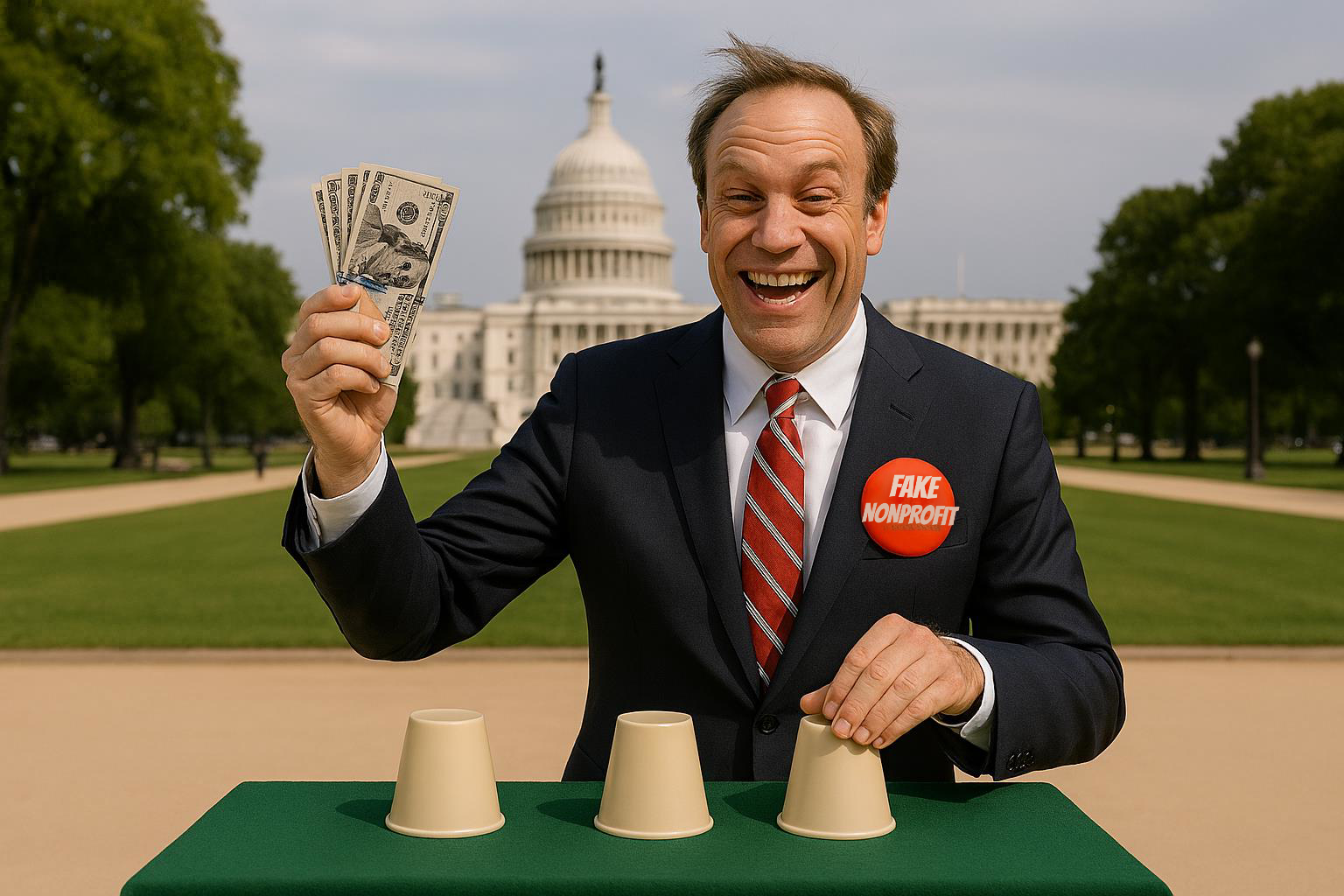
Nonprofits are designed to serve the public good. But in the wrong hands, they can become tools for hiding money, dodging disclosure, and shielding assets. The absence of shareholders and tax-exempt perks makes them ideal for grifters who know how to Play the system.
The Shell Game: Common Tactics
- Dark Money and Political Influence
Opaque 501(c)(4) “social welfare” groups funnel millions into politics without revealing donors. Funds often pass through chains of nonprofits and LLCs, making the source untraceable. - Fiscal Sponsorship as a Veil
Small activist groups operate under big nonprofits, masking who controls the money and how project funds are spent. - Shielding Assets from Liability
Complex nonprofit/for-profit structures in industries such as healthcare can make entities appear asset-poor, which frustrates creditors and can lead to lawsuits. - Private Benefit and Personal Wealth
Insiders justify high salaries or luxury perks (private jets, lavish retreats) as “mission-critical,” turning nonprofits into tax-free slush funds. - Industry Influence (The Shill Role)
Corporations donate to advocate nonprofits, which then advocate for policies that benefit donors—while presenting themselves as neutral voices.
Real-World Misuse Examples
- Michael Flynn’s Nonprofit
Paid over $510,000 to family members and $128,000 to a family-run LLC for PR work—while claiming to serve public interests.
Lesson: Excessive insider compensation violates IRS rules and erodes trust. - Kristi Noem’s Dark-Money Payment
A nonprofit wired $80,000 to Noem’s personal LLC—money not disclosed in official filings.
Lesson: Dark-money nonprofits can act as conduits for personal enrichment. - Legal Defense Fund Diversion
Flynn’s legal fund raised funds for court costs but retained the surplus for personal use.
Lesson: Misleading fundraising practices can lead to allegations of fraud. - Industry “Shill” Nonprofits
Drug companies fund patient advocacy groups that lobby for high drug prices—while appearing independent.
Lesson: Nonprofits can mask corporate agendas under a charitable facade.
Legal Consequences of Misuse
- IRS Penalties: Revocation of tax-exempt status, excise taxes, and intermediate sanctions for excess benefit transactions.
- Criminal Charges: Fraud, wire fraud, and money laundering can lead to fines and prison sentences.
- State Enforcement: Attorneys General can impose civil penalties and ban individuals from serving on boards.
- FEC Violations: Nonprofits engaging in partisan activity risk heavy fines and criminal referrals.
Compliance Checklist
- Maintain an independent board and conflict-of-interest policies.
- File Form 990 and publish audited financials.
- Ensure reasonable salaries and disclose related-party transactions.
- Use truthful fundraising messaging and avoid commingling funds.
- Track political activity and register with the FEC if required.
- Keep detailed records and prepare for audits.
Bottom Line
Nonprofits can be powerful forces for good—but without transparency and oversight, they become perfect vehicles for grifting. Before donating or joining a board, ask:
Where is the money going? Who benefits? If the answers aren’t clear, you may be funding a shell game—not a cause.