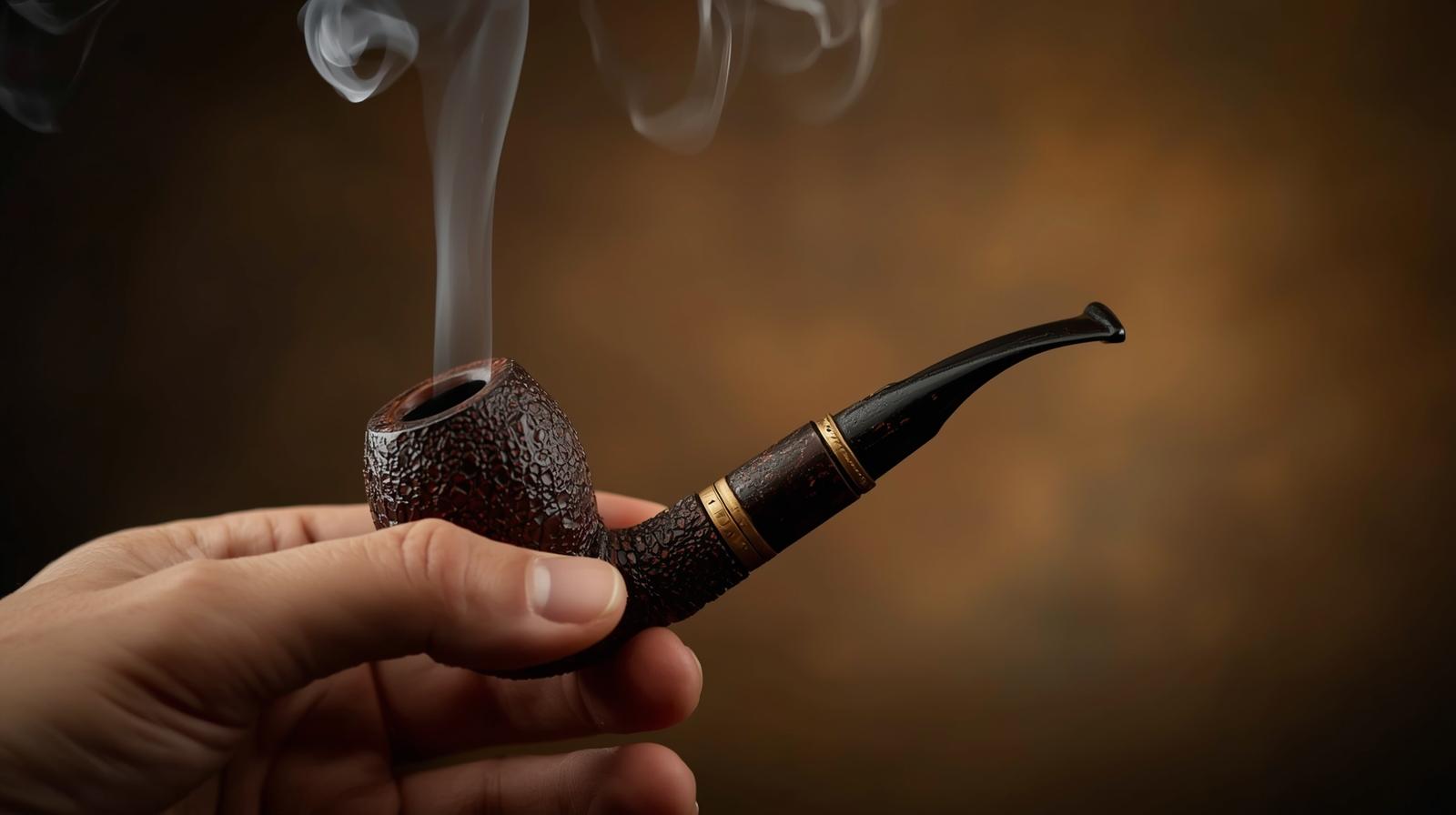
Summary
If the phrase sounds defiant, that’s because it is.
What the Expression Means
The idiom signals that a fact is undeniable, even if it’s unpleasant or unwelcome. It shuts down debate rather than inviting discussion.
It’s not persuasion—it’s punctuation.
How It’s Typically Used
The phrase usually follows a surprising, contradictory, or inconvenient fact, especially one meant to end an argument.
- After proving a point
- After rejecting an objection
- After stating an outcome that won’t change
Tone: Defiant, dismissive, sometimes rude—but decisive.
Where It Comes From
The expression dates to the early 19th century, appearing in Irish and English usage. It shows up in period literature, including Charles Dickens’ The Pickwick Papers, reinforcing its long-standing role as a colloquial closer.
Why It Works (and When It Doesn’t)
Context:
This idiom functions as a verbal full stop. It’s effective when authority, evidence, or finality is already established.
Used poorly, it can come across as smug or needlessly confrontational.
It’s what you say when the argument is over—whether the other person agrees or not.
Examples in Everyday Speech
- “I already told them I’m not coming—so they can put that in their pipe and smoke it.”
- “It just got nominated for an Oscar. Put that in your pipe and smoke it.”