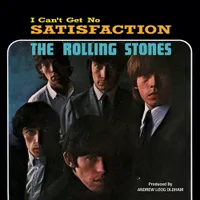
When The Rolling Stones released “(I Can’t Get No) Satisfaction” in 1965, they didn’t just add another song to the rock‑and‑roll canon—they ignited a cultural spark that helped define an entire generation.
Written by Mick Jagger and Keith Richards, the track emerged during a period of global social unrest, and its tone of frustration and rebellion resonated with young listeners.
Video:
https://www.youtube.com/watch?v=nrIPxlFzDi0
At the heart of the song is Keith Richards’ now iconic fuzz-tone guitar riff, created using a Gibson Maestro FZ-1 pedal. Its distorted, punchy sound was unlike anything else on the radio. Richards initially envisioned the riff as a placeholder for horns, but once the band heard how aggressively it cut through the mix, they kept it—and in the process helped usher in the era of the guitar-driven rock anthem.
Lyrically, the song captured the growing disillusionment of mid-1960s youth: the sense of being bombarded by advertising, pressured by social expectations, and disconnected from modern consumer culture. Mick Jagger’s vocal delivery—sarcastic, rebellious, and fed‑up—gave voice to a new kind of rock‑and‑roll attitude that rejected conformity rather than celebrating it.
“Satisfaction” became the Rolling Stones’ first No. 1 hit in the United States and quickly spread across the world. Its gritty edge contrasted sharply with the cleaner pop sound that dominated the charts, positioning the Stones as the darker, edgier counterpart to The Beatles. It marked the moment when the band truly stepped into their identity as the “bad boys” of rock.