Summary
Vision, Mission, and Values — Aligned with Housing & Healing: Mind, Body, and Spirit.
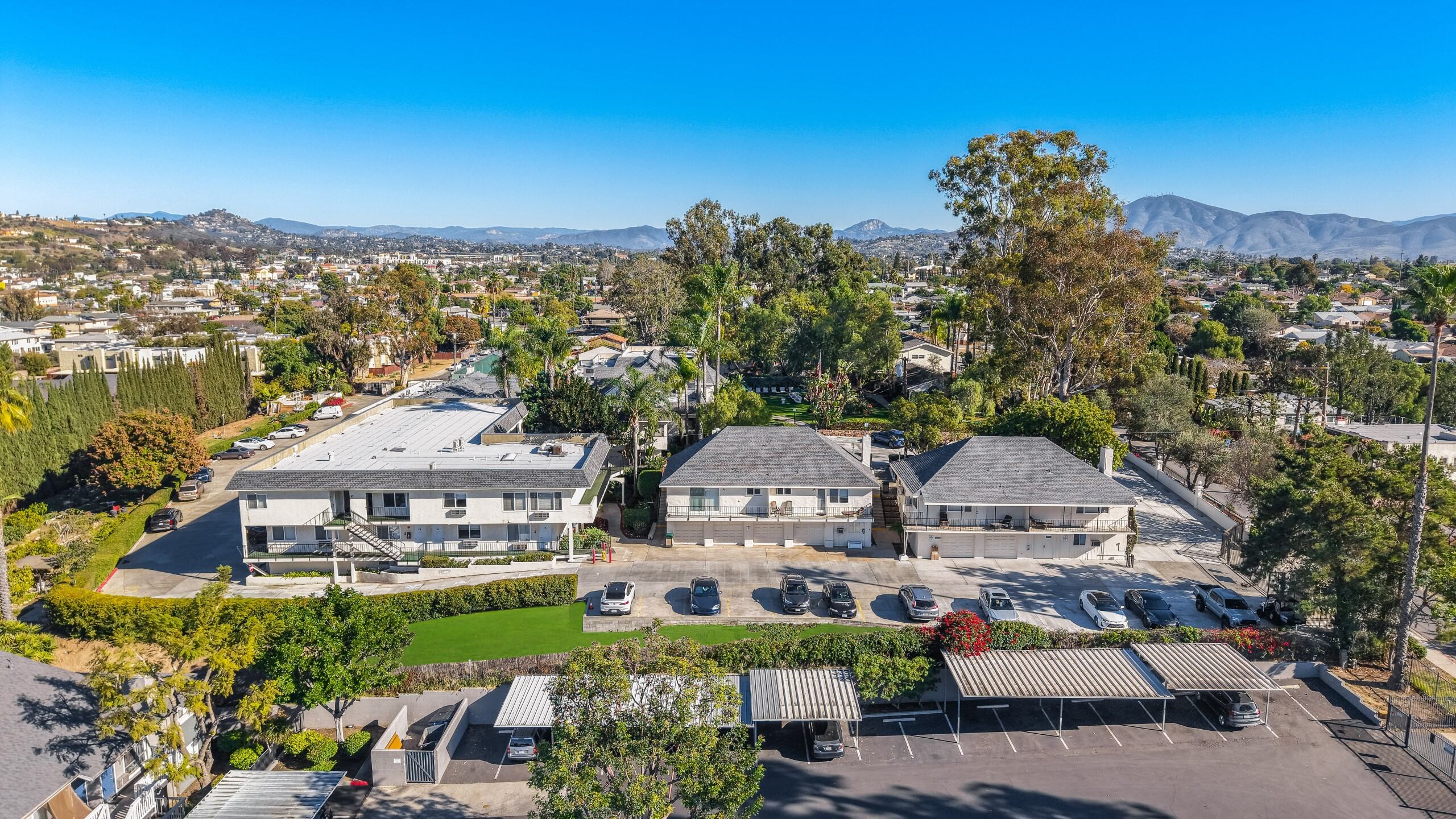
Free Sacred Trinity Church and Optimum Health Institute of San Diego: Affordable Housing
Vision, Mission, and Values — Aligned with Housing & Healing: Mind, Body, and Spirit.
Vision Statement (Housing‑Aligned)
A world where individuals experience restored health, vitality, and balance through holistic living supported by stable, health‑affirming environments.
Why does this work:
Affordable Housing is framed as part of the healing ecosystem, not separate from health outcomes.
Mission Statement (Housing‑Aligned)
The Optimum Health Institute of San Diego exists to restore health and vitality through education, nutrition, holistic living practices, and supportive residential environments that empower individuals to achieve lasting wellness and personal responsibility for their health.
Governance clarity:
- “Supportive residential environments” covers on‑site Housing, retreats, and transitional living
- Avoids clinical or medical claims
- Supports compliance and risk management
Core Values (Applied to Housing)
1. Wholeness
We affirm that the physical environment, Housing stability, and daily habits directly influence healing and long‑term health.
Housing implication:
Supports healthy design, access to nutrition, and restorative spaces.
2. Education
We empower residents and participants to understand the relationship between lifestyle, environment, and health.
Housing implication:
Supports resident education, program integration, and accountability.
3 Integrity
We communicate clearly and honestly about the purpose, limits, and expectations of residential programs.
Housing implication:
Protects residents, regulators, and institutional credibility.
. Compassionate Care
We recognize that Housing stability is deeply personal and requires dignity, patience, and respect.
Housing implication:
Supports trauma‑informed and resident‑centered practices.
5. Stewardship
We responsibly manage facilities, Housing assets, and community trust to ensure sustainability for future generations.
Housing implication:
Supports long‑term affordability, maintenance, and operational discipline.
Joint Alignment Statement
Faith, Health, and Housing as Integrated Stewardship
Free Sacred Trinity Church and the Optimum Health Institute of San Diego affirm that stable Housing is foundational to spiritual restoration, physical health, and human dignity. Together, we pursue Housing solutions that are compassionate, ethical, and sustainable—serving individuals and communities without compromising faith, integrity, or mission.
This statement is especially useful for:
- Joint development entities
- SB‑4 Housing narratives
- Public‑private partnerships
- Lender and investor decks
Board‑Level Guardrails (Highly Recommended)
To prevent mission drift, I recommend formally adopting these Housing governance principles:
- Housing serves the mission; the mission does not serve Housing
- Affordability and dignity take precedence over maximized revenue
- Land is stewarded for long‑term community benefit
- Development partners must align with values
- No project proceeds without explicit board mission‑alignment review
SB‑4 Narrative Related
Faith‑Based Housing Development Consistent with Ministerial Use and Community Benefit
1. Organizational Purpose and Statutory Alignment
Free Sacred Trinity Church (“FSTC”) is a faith‑based nonprofit organization whose religious mission includes spiritual formation, compassionate outreach, and practical support for individuals and families in need. Consistent with this mission, FSTC recognizes stable and dignifying Housing as foundational to human dignity, spiritual well‑being, and community restoration.
The proposed Housing development is directly aligned with FSTC’s long‑standing ministerial purpose and represents a continuation—not a departure—from its religious and charitable activities. Housing is pursued as an expression of faith‑based service and stewardship, consistent with California Government Code provisions enacted under Senate Bill 4 (2023), which affirm the role of faith institutions in addressing the state’s Housing crisis.
2. Housing as an Extension of Religious and Charitable Use
The proposed development is not a commercial or speculative real estate project. Rather, it is an integrated ministry that advances the Church’s mission by:
- Providing stable, affordable Housing to individuals and families experiencing Housing insecurity;
- Supporting spiritual, emotional, and physical well‑being through proximity to faith‑based services and community support;
- Stewarding church‑owned land for long‑term public benefit, consistent with religious values and nonprofit obligations.
The Housing use is therefore incidental and complementary to the Church’s primary religious purpose, as contemplated by SB‑4.
3. Role of the Optimum Health Institute of San Diego
The Optimum Health Institute of San Diego (OHI‑SD) is a nonprofit organization dedicated to holistic health, education, and lifestyle‑based wellness that honors the integration of body, mind, and spirit.
In alignment with FSTC, OHI‑SD recognizes that Housing stability and the built environment are critical social determinants of health. Where applicable, OHI‑SD’s role may include:
- Educational programming related to nutrition, wellness, and healthy living;
- Supportive services that promote resident well‑being and long‑term stability;
- Collaboration on design principles that foster healthy, restorative living environments.
OHI‑SD’s involvement is supportive and programmatic, not medical in nature, and fully consistent with its charitable and educational mission.
4 Consistency with SB‑4 Legislative Intent
SB‑4 was enacted to address California’s severe housing shortage, unlocking underutilized land owned by faith‑based and nonprofit institutions, while respecting religious autonomy and local planning objectives.
The proposed development directly advances the Legislature’s intent by:
- Utilizing faith‑owned land for Housing that serves community needs;
- Delivering Housing without displacement of existing religious uses;
- Ensuring long‑term affordability and responsible stewardship;
- Reducing development barriers while maintaining health, safety, and design standards.
The project represents precisely the type of mission‑aligned, community‑serving Housing SB‑4 was designed to facilitate.
5. Affordability, Stewardship, and Long‑Term Commitment
Consistent with the values of FSTC and OHI‑SD, the proposed Housing development emphasizes:
- Affordability and accessibility, particularly for individuals and families vulnerable to Housing instability;
- Long‑term stewardship of land and improvements, rather than short‑term monetization;
- Partnerships with experienced nonprofit and mission‑aligned Housing developers, where appropriate;
- Ongoing accountability to the Church’s governing body and the surrounding community.
Housing will be governed by enforceable affordability commitments and operational structures that ensure alignment with charitable purposes over time.
6. Compatibility with Surrounding Community
The proposed Housing development is designed to be:
- Compatible with surrounding land uses;
- Architecturally respectful and context‑sensitive;
- Supportive of neighborhood stability and vitality;
- Integrated with existing infrastructure and services.
By transforming underutilized land into productive, community‑serving Housing, the project enhances—not burdens—local neighborhoods.
7. Public Benefit and Community Impact
The public benefits of the proposed development include:
- Increased supply of much-needed Housing;
- Reduced Housing insecurity and displacement pressure.
- Improved health and stability outcomes for residents;
- Efficient use of existing urban land;
- Advancement of statewide Housing policy goals.
These benefits are delivered without public subsidy for land acquisition and with strong nonprofit governance.
8. Conclusion: Faithful Stewardship in Action
The proposed Housing development represents a faithful, lawful, and mission‑consistent use of church‑owned land. It reflects the shared commitment of Free Sacred Trinity Church and the Optimum Health Institute of San Diego to serve the community through compassion, stewardship, and long‑term responsibility.
In advancing this project under SB‑4, the organizations are not expanding beyond their purpose—they are living it out.