Summary
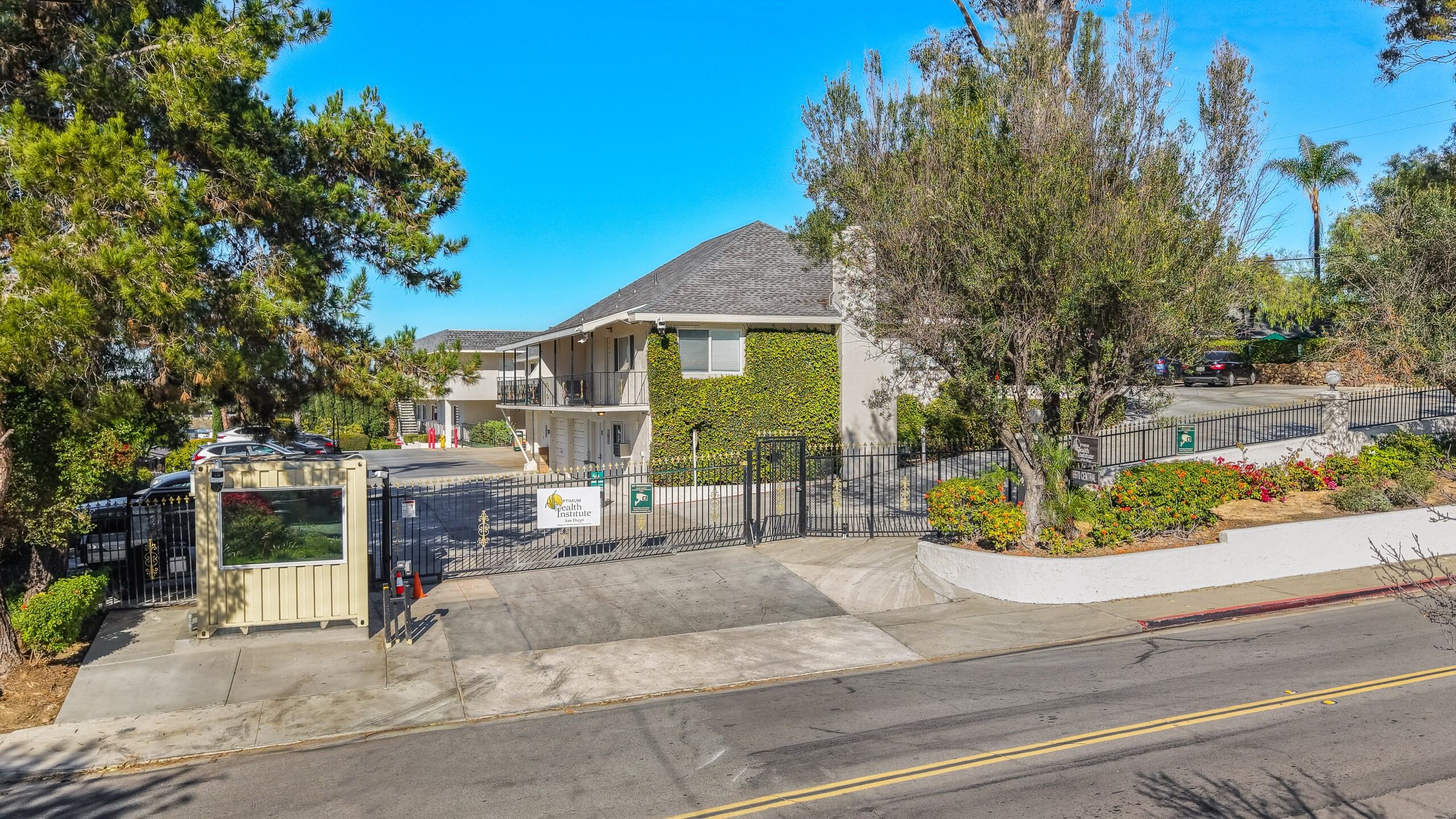
Free Sacred Trinity Church & Optimum Health Institute of San Diego- Highly qualified in leadership, ongoing management, operations, and an excellent risk for a lender.
Project Overview
Free Sacred Trinity Church (“FSTC”), a California nonprofit religious Corporation, in collaboration with the Optimum Health Institute of San Diego (“OHI‑SD”), proposes the development of mission‑aligned, affordable Housing on church‑controlled land pursuant to California Senate Bill 4 (SB‑4).
The project is designed to convert underutilized faith‑owned property into stable, long‑term Housing that advances public policy goals, strengthens community stability, and aligns with conservative underwriting principles.
Housing is pursued as a charitable, non‑speculative use, supported by experienced development partners and governed by long‑term affordability and stewardship commitments.
Borrower / Sponsor Profile
Free Sacred Trinity Church
- Nonprofit religious organization with established community presence
- Mission includes community service, outreach, and the provision of practical support
- Long‑term landholder with a stewardship‑oriented governance structure
Optimum Health Institute of San Diego
- Nonprofit organization focused on holistic health, education, and wellness
- Recognizes Housing stability as a key social determinant of health
- Programmatic partner supporting resident well‑being (non‑medical, educational)
Sponsor Strengths
- Stable nonprofit governance
- Mission consistency over time
- No speculative or merchant‑builder intent
- Strong alignment with state Housing policy
Project Description
The proposed development will deliver affordable residential units serving individuals and families experiencing Housing insecurity. Key characteristics include:
- Development under SB‑4 streamlined approval process
- Housing integrated with existing faith‑based land use
- Design compatible withthe surrounding community
- Focus on long‑term affordability and operational stability
- Supportive, non‑clinical services that promote resident success
The project does not displace existing religious uses and is structured to preserve the Church’s core operations.
SB‑4 Eligibility and Regulatory Framework
The project qualifies under SB‑4 (Gov. Code §§ 65913.16–65913.20) as:
- Located on land owned by a qualifying religious institution
- Housing developed as an extension of charitable and community‑serving use
- Consistent with local objective standards
- Eligible for ministerial approval, reducing entitlement risk and timeline uncertainty
This framework materially lowers regulatory risk, a key underwriting consideration.
Affordability & Mission Alignment
Housing will be governed by recorded affordability commitments consistent with:
- Low‑ and moderate‑income household targets (to be finalized)
- Long‑term covenants ensuring mission continuity
- Resident‑centered design and management practices
The sponsor’s mission and governance structure reduce the risk of:
- Rent volatility
- Use conversion
- Exit‑driven decision‑making
Development & Ownership Structure (Conceptual)
The anticipated structure may include:
- Church land contributed via long‑term ground lease or controlled entity
- Special‑purpose nonprofit or mission‑aligned development entity
- Professional third‑party developer and property Manager
- Clear separation between land stewardship and operations
This structure supports:
- Lender security
- Clear cash‑flow mechanics
- Risk isolation
- Long‑term asset integrity
Final structure will be designed in consultation with lenders and counsel.
Capital Stack (Conceptual)
The project anticipates a conservative, layered capital stack, potentially including:
- Senior construction / permanent debt
- Subordinate or mission‑aligned debt
- Public or philanthropic capital (if applicable)
- Land value contribution via ground lease or equity‑like structure
The sponsor is open to structuring terms to meet lender requirements while maintaining affordability commitments.
Risk Management & Mitigation
Key Risks Addressed Proactively
|
Risk Category |
Mitigation Strategy |
|
Entitlement Risk |
SB‑4 ministerial pathway |
|
Mission Drift |
Board‑adopted Housing alignment principles |
|
Market Risk |
Long‑term affordability focus |
|
Governance Risk |
Nonprofit oversight and transparency |
|
Reputation Risk |
Community‑serving, non‑speculative use |
|
Operational Risk |
Experienced third‑party management |
The project is intentionally structured to prioritize stability over upside.
Community and Public Benefit
The development delivers measurable public benefits, including:
- Increased affordable Housing supply
- Reduced Housing insecurity and displacement
- Improved health and stability outcomes
- Efficient reuse of existing urban land
- Advancement of state Housing policy goals
Importantly, these benefits are delivered without public land acquisition costs.
Why This Project Is Lender‑Appropriate
From a credit perspective, this project offers:
- Reduced entitlement and political risk (SB‑4)
- Long‑term sponsor alignment with asset purpose
- Non‑speculative development intent
- Conservative governance culture
- Strong public‑policy tailwinds
- Reputationally positive deployment of capital
This is a durable, impact‑aligned asset, not a short‑term transaction.
Conclusion
The proposed Housing development represents a disciplined, mission‑consistent deployment of faith‑owned land to address California’s Housing needs. It combines regulatory clarity, nonprofit stewardship, and conservative project design to create a bankable, community-serving Housing asset.
Free Sacred Trinity Church and the Optimum Health Institute of San Diego welcome engagement with lenders seeking stable, policy‑aligned, impact‑driven opportunities.