Summary
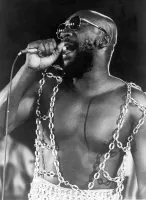
Before the movie even opens, Shaft kicks down the door and announces its arrival. One hi hat click. That’s it. Not a melody, not a warning — just a metronome daring you to keep up. Then Isaac Hayes steps in, and the room immediately understands who’s running things.
Videos:
https://www.youtube.com/watch?v=l2IljsT3udw
https://www.youtube.com/watch?v=Q429AOpL_ds
https://www.youtube.com/watch?v=fWihkRl6S3Q
https://www.youtube.com/watch?v=kfdW4687b_w
https://www.youtube.com/watch?v=fTU_9T5ufzY
This isn’t a song. It’s a confident stroll in 4/4 time.
The wah‑wah guitar doesn’t Play notes — it smirks. The bass doesn’t groove — it moves with intent. And Hayes’ orchestration? That’s not background music; that’s urban warfare scored for a man who doesn’t ask permission and doesn’t hurry for anyone.
Lyrically, Shaft does almost nothing — and that’s the point. Excess explanation is for people who lack authority. Hayes gives you just enough bravado to create a myth and then lets the groove finish the sentence. Shaft isn’t human; he’s a walking reputation in a leather coat.
Then comes the chorus — audacious, blunt, and utterly unconcerned with modern approval committees. In 1971, it wasn’t controversial. It was declarative. Pop culture hadn’t sanded down its edges yet, and nobody felt the need to apologize for being cool.
Hollywood noticed. The Oscars noticed. History noticed. When Isaac Hayes won the Academy Award for Best Original Song, it wasn’t just a trophy — it was a cultural eviction notice. Soul music had officially taken a seat at the adult table, cigar smoke and all.
And here’s the part nobody likes to admit: