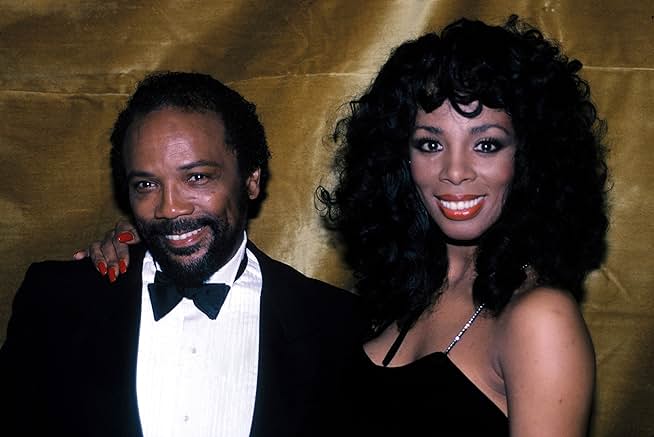
It’s late February 1983, after the Grammy Awards, and the night has the glossy fatigue of celebrity parties, chatter, bright rooms that never fully dim. Donna Summer slips away from the noise and into a quieter corridor at Chasen’s in West Hollywood, heading for the ladies’ room.
Videos:
https://www.udiscovermusic.com/stories/donna-summer-she-works-hard-for-the-money-feature/
Inside, the glamour falls off like a costume. A small television blares as the restroom attendant—Onetta Johnson—nods off, embodying the unseen struggles Summer later recognizes with empathy. This moment can inspire respect for everyday workers.
That’s the first stroke of genius behind “She Works Hard for the Money”: It begins with a human being.
Most pop hits chase the high life. Summers did something rarer—it looked directly at the person cleaning up after it. The phrase that came to her that night wasn’t clever; it was plainspoken, almost blunt. And because it was true, it was unforgettable.
The next step is the second stroke of genius: Summer didn’t leave the idea as a private feeling. She took it to the studio and built it into a song with producer and co-writer Michael Omartian, shaping empathy into propulsion. The record moves with a bright, forward-driving energy—music you can dance to—while its point remains uncompromising: respect the worker.
When the single arrived on 10 May 1983, it didn’t just sound good—it made a statement. Climbing charts and breaking barriers, it proved that stories of working-class life could resonate widely, inspiring pride in music’s power to reflect society.
Then came the third stroke of genius: the visual argument. The music video—directed by Brian Grant—brought faces, uniforms, and tired shoulders to life; it expanded the message from one woman to many, making a powerful MTV Impact as the first by a Black female artist to receive heavy rotation, turning the song’s message into a widespread cultural statement across America.
By 1984, the song had become more than a hit—it was a powerful statement that opened the Grammy Awards, where Summer performed it live, and the track also earned a Best Female Pop Vocal Performance nomination.
But the song’s real triumph isn’t the chart math or the industry applause. It’s that it keeps its promise decades later. “She Works Hard for the Money” doesn’t ask you to admire hustle culture. It asks you to see the person behind the service—and to treat her right.