Summary
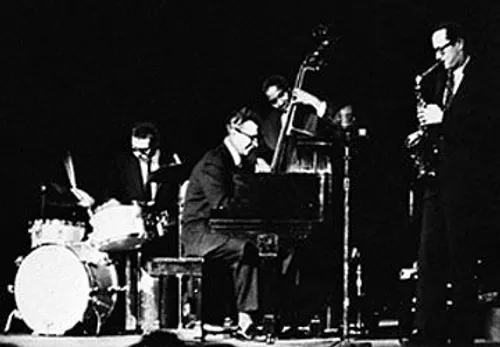
Recorded by the Dave Brubeck Quartet, this tune didn’t become a jazz standard because it was trendy or flashy. It earned its legendary status through its distinctive style, disciplined execution, and cool restraint that elevated it above fleeting trends.
https://www.youtube.com/watch?v=vmDDOFXSgAs
https://www.youtube.com/watch?v=e2sVxrryaL0
The beauty of “Take Five” is that it runs in 5/4 time, which in lesser hands could have turned into a musical geometry lesson for graduate students with elbow patches and no social life. But Brubeck and company made it swing. That’s the trick. They took something intellectually ambitious and made it feel effortless. No lecture. No apology. No “please appreciate how clever we are.” Just precision with swagger.
And then there’s Paul Desmond’s saxophone, which doesn’t blare or overstate. It glides effortlessly, embodying a tone that’s dry, elegant, and controlled — like a perfectly timed insult delivered with a smile, owning the room without raising its voice.
Meanwhile, Joe Morello’s drumming is the engine under the hood, steady and sharp, proving once again that real talent doesn’t pound on the table screaming for recognition. It simply performs at a level most people can’t imitate and leaves the imitators choking on dust.
That’s why “Take Five” still matters. It wasn’t built for a moment. It was built to last. It has sophistication without pomposity, confidence without noise, and originality that continues to command respect and influence today.