Summary
Some expressions survive for generations because they say a lot in very few words. “I wouldn’t touch it with a ten-foot pole” is one of those phrases: blunt, visual, and instantly understood. It communicates strong avoidance—whether the issue is risky, unpleasant, controversial, or simply not worth the trouble.
What the Idiom Means
At its core, “I wouldn’t touch it with a ten-foot pole” means someone wants absolutely nothing to do with a person, situation, or idea. It suggests that the thing in question is so undesirable that even keeping a great distance still would not feel safe enough.
The phrase is often used in everyday conversation to express three common ideas:
- Avoidance: staying far away from a topic, proposal, or person
- Risk: signaling that involvement could lead to trouble
- Disgust or distrust showing strong dislike or lack of confidence
Because the image is so concrete, the idiom is especially effective. Instead of simply saying, “I want no part of it,” the speaker paints a picture of keeping distance with an unusually long pole. That visual force is what makes the phrase memorable.
Why the Phrase Works So Well
This idiom endures because it is both practical and dramatic. Nearly everyone understands the instinct to avoid something that looks dangerous, messy, or foolish. The phrase captures that instinct with humor and emphasis.
It is also versatile. People use it in personal life, business, politics, and social commentary. A person might say they would not touch a bad investment with a ten-foot pole, or use it to reject gossip, legal trouble, or a chaotic relationship. In every case, the meaning is the same: the risk outweighs the reward.
Possible Origins of the Expression
Like many old idioms, the exact origin is debated. Several theories help explain how the phrase developed and why it became so widely used.
1. The British “Barge Pole” Connection
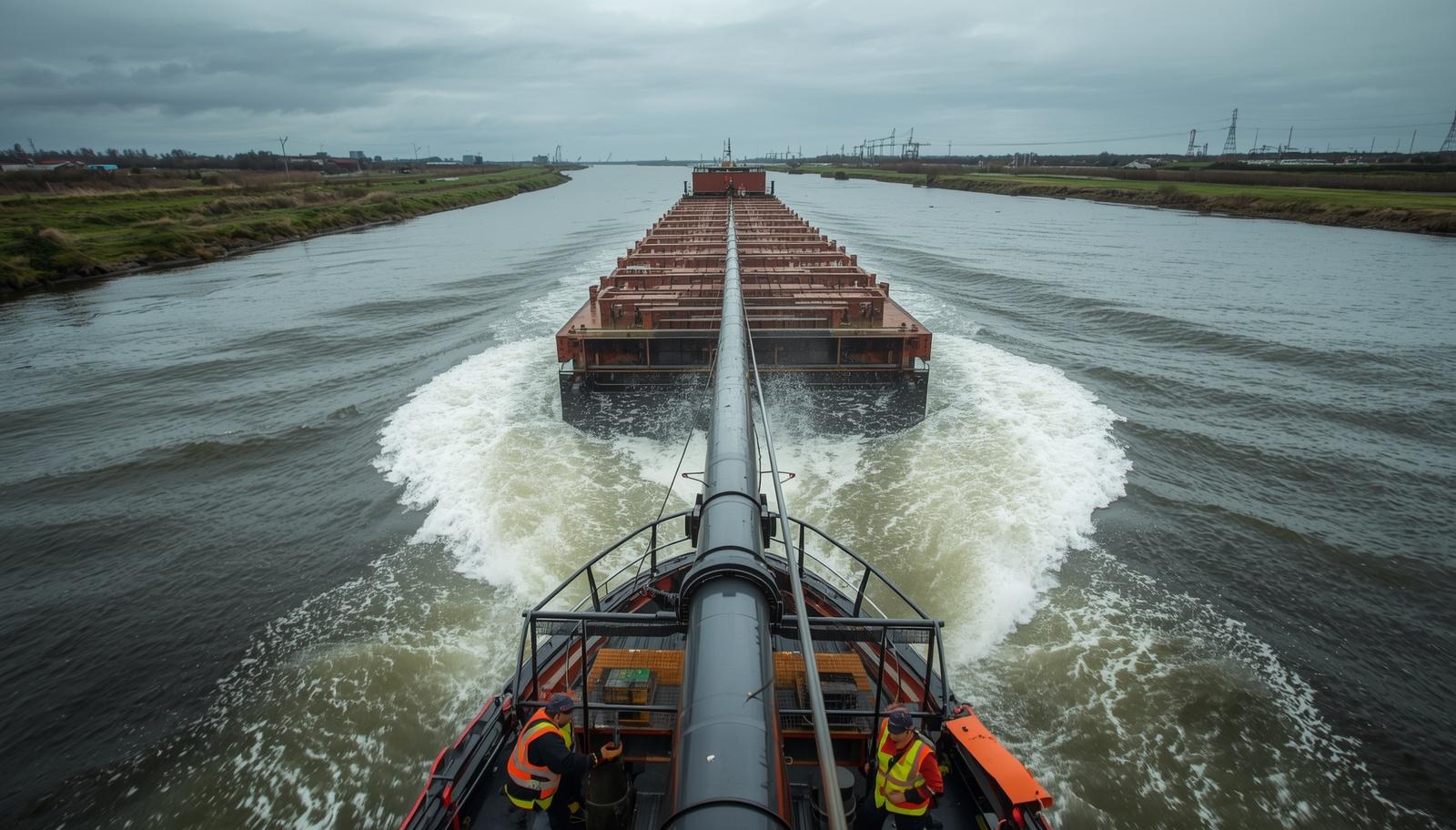
One of the strongest explanations traces the phrase to the older British expression “I wouldn’t touch it with a barge pole.” Bargemen used long poles—often much longer than ten feet—to move boats and push away obstacles. Over time, American English likely adapted the phrase into the more familiar “ten-foot pole,” using a simpler image tied to everyday tools rather than canal transport.
2. The Practical Appeal of a Measured Distance
The phrase may also have gained strength because ten feet represents a clear, safe distance. Long before modern measuring devices were common, fixed-length rods and poles were widely used in building, surveying, and manual labor. A ten-foot pole sounded concrete, believable, and sufficient to symbolize extreme caution.
3. A Folk Theory from Burial Practices
Another explanation comes from a more colorful piece of folklore associated with old above-ground burial traditions in New Orleans. According to the story, a long pole was used to move the remains deeper into a tomb over time. Whether historically exact or not, the story survives because it matches the phrase’s tone of revulsion and distance.
4. Older Expressions of Reluctance
The idiom also appears to follow a long tradition of English expressions about avoiding unpleasant things. An earlier phrase from the 18th century was “not to be handled with a pair of tongs.” That expression carries the same message: this matter is so disagreeable that even tools designed to keep your hands away are not enough. The “ten-foot pole” version heightens the distance and the drama.
How the Idiom Is Used Today
Today, the phrase remains common because it is adaptable and vivid. It appears in casual speech, journalism, commentary, and even humor. It is especially useful when a speaker wants to reject something decisively without giving a long explanation.
Examples of modern use include:
- refusing a shady business deal
- rejecting involvement in workplace drama
- dismissing a risky investment
- avoiding a political controversy
- expressing distrust of a person’s motives
The idiom works because it does more than say “no.” It says, “No, and I want distance.”
Common Variations
Although “ten-foot pole” is the standard version in American English, speakers often exaggerate the distance for comic effect. You may hear references to a twenty-foot pole, a forty-foot pole, or other playful expansions. Popular culture has helped reinforce that exaggeration, turning the phrase into a flexible tool for humor as well as refusal.
These variations do not change the meaning. They intensify it. The longer the pole, the stronger the rejection.
Why This Idiom Still Matters
Idioms like this one matter because they reveal how language turns ordinary objects into powerful cultural shorthand. A simple tool becomes a metaphor for judgment, caution, and self-protection. In one sentence, the speaker conveys risk assessment, emotional distance, and practical wisdom.
That is why the phrase has lasted. It is visual, efficient, and emotionally sharp. “I wouldn’t touch it with a ten-foot pole” does not merely describe avoidance—it dramatizes it. And in language, what people can imagine, they tend to remember.
Quotes
-
“Some expressions survive for generations because they say a lot in very few words.”
-
“‘I wouldn’t touch it with a ten-foot pole’ is more than a phrase—it is a warning wrapped in vivid imagery.”
-
“The idiom endures because it turns simple avoidance into something instantly visual and unforgettable.”
-
“This phrase does not just say no—it says no, and keep your distance.”
-
“A ten-foot pole became the perfect symbol for caution, disgust, and common sense.”
-
“The power of this idiom lies in its clarity: the risk is so obvious, even distance does not feel safe enough.”
-
“Good idioms survive because they make judgment feel visible.”
-
“Language lasts when it gives people a picture, not just a definition.”
-
“‘I wouldn’t touch it with a ten-foot pole’ remains popular because it captures risk, humor, and refusal in one clean line.”
-
“A simple tool became a lasting metaphor for judgment, caution, and self-protection.”