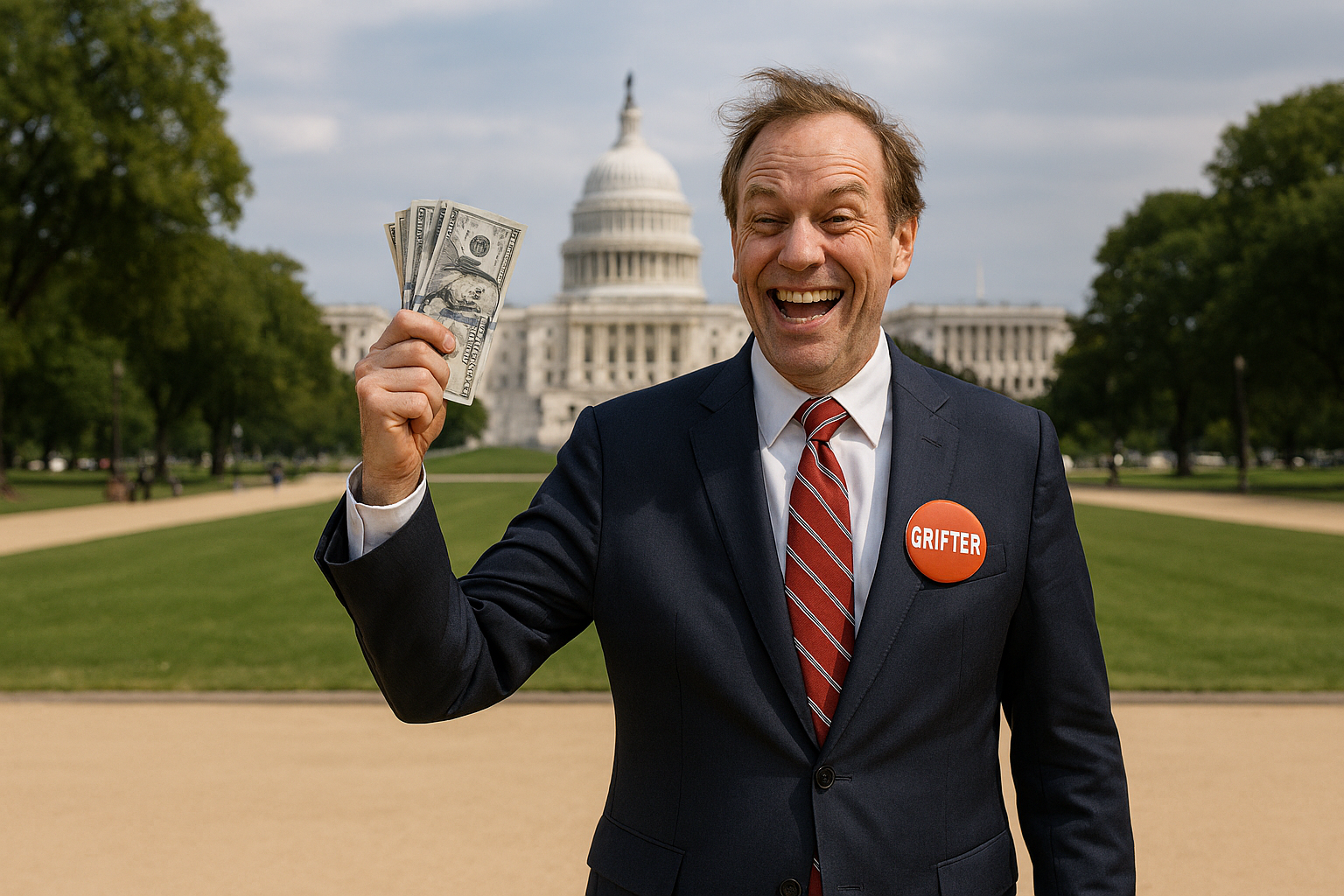
What Is a Grifter?
A grifter is someone who tricks people out of money or property through deception—not force. Think of a con artist, swindler, or scammer. Their weapon? Psychology, not violence.
Core Traits of a Grifter
Grifters thrive on manipulation and social engineering.
Here’s how they do it:
- Persuasive Communication: Charm, confidence, and fast talk lower defenses.
- The “Small Favor” Setup: Start with a tiny request, then escalate to big money.
- Sense of Urgency: “Act now!” Pressure kills critical thinking.
- Impersonation: Fake authority—IRS agent, banker, or “expert”—to gain trust.
Modern Grifting: Where It Shows Up
- Politics: Exploiting movements for personal gain, often without true belief.
- Digital Scams: Romance cons, fake charities, phishing, and bogus investments.
- Grift vs. Graft: Grift targets individuals; graft is Corruption in public office.
Political Grifting Tactics
Political grifters don’t just ask for donations—they engineer trust and urgency to keep money flowing.
Common tactics include:
- Emotional Appeals: They frame issues as existential threats—“Your freedom is at stake!”—to trigger fear and loyalty.
- False Scarcity: Limited-time campaigns like “Donate in the next 24 hours to stop fraud!” create urgency and bypass rational thinking.
- Identity Exploitation: They position themselves as champions of a cause or movement, even if their commitment is shallow or opportunistic.
- Opaque Fund Allocation: Funds raised for “legal battles” or “audits” often end up paying for personal luxuries, consulting fees, or unrelated expenses.
- Perpetual Crisis Mode: They keep supporters in a constant state of alarm, ensuring a steady stream of small-dollar donations.
- Leveraging Social Proof: Displaying inflated donor counts or endorsements to make the campaign look legitimate and popular.
Real-World Example
· In 2022, a man posing as a cryptocurrency “investment coach” convinced hundreds of victims to send him money for “guaranteed returns.” Using slick social media ads, fake testimonials, and urgent messages like “Don’t miss out—prices are skyrocketing!” He built trust and created urgency. Before authorities apprehended him, he had pocketed more than $2 million. This example clearly illustrates classic grifting tactics.
· Digital Scam: In 2022, a man posing as a cryptocurrency “investment coach” convinced hundreds of victims to send him money for “guaranteed returns.” He used slick social media ads, fake testimonials, and urgent messages like “Don’t miss out—prices are skyrocketing!” Before authorities apprehended him, he had pocketed more than $2 million.
· Political Grifting: During recent election cycles, some influencers raised millions through “grassroots” donation campaigns claiming to fight fraud or fund audits. Subsequent investigations revealed that much of the money went to personal expenses—luxury travel, private security, and consulting fees—rather than to the stated cause. This is grifting dressed up as activism.
Where the Word Came From
“Grifter” popped up in American slang around 1906–1915. It likely evolved from “grafter” (a corrupt person) or blended with “drifter, reflecting the nomadic life of early con men.