Video:
https://www.youtube.com/watch?v=ApthDWoPMFQ
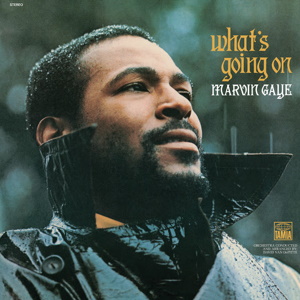
Released in 1971, “What’s Going On” marked a turning point not only in Marvin Gaye’s career but in the scope of mainstream soul music itself. Emerging during the Vietnam War and a period of intense social unrest, the song confronts war, social injustice, and environmental degradation with a tone that is neither accusatory nor detached, but deeply human.
Rather than preaching, Gaye sings as if he is speaking with neighbors, family, and friends—asking questions instead of issuing commands. This conversational vocal style, layered and intimate, invites listeners into a shared moral space. The song’s lush, jazz-inflected arrangement softens the message without dulling it, allowing empathy to carry what might otherwise feel confrontational. Violence abroad, policing at home, and ecological neglect are not treated as separate crises, but as symptoms of the same underlying alienation.
The song’s key message is that empathy and community are the antidotes to brutality and fragmentation. Gaye frames social conflict not as an ideological battle, but as a failure to recognize one another’s humanity. By grounding global issues in personal feeling, he makes injustice impossible to dismiss as abstract or distant.
With “What’s Going On,” Marvin Gaye redefined what soul music could address. He proved that commercial music could wrestle with moral complexity without sacrificing beauty or accessibility—transforming soul from entertainment into a vehicle for reflection, connection, and collective responsibility.
Marvin Gaye was inspired to create “What’s Going On” by a convergence of public violence, personal loss, and moral awakening, transforming outside events into an intimate plea for empathy.
What inspired Marvin Gaye to write “What’s Going On”
1. Police brutality and street violence
The song originated with Renaldo “Obie” Benson of the Four Tops, who witnessed police violently attacking anti-war protesters in Berkeley, California, in May 1969, an event later known as Bloody Thursday. Disturbed by seeing authorities brutalize young people, Benson kept asking a simple, anguished question: “What is happening here?”
Benson and songwriter Al Cleveland began shaping those questions into a song before bringing it to Marvin Gaye, who immediately connected to its emotional core.
2. The Vietnam War—made personal
Gaye deepened the song’s anti-war dimension because of his younger brother, Frankie Gaye, who was serving in Vietnam as an Army radio operator. Letters and conversations with Frankie gave the war a personal immediacy, transforming abstract headlines into lived fear and moral conflict.
This personal connection helped Gaye frame war not as a strategy or politics, but as a human catastrophe affecting families and communities.
3. A crisis of faith in America’s direction
By 1970, Gaye was increasingly troubled by racism, poverty, environmental damage, and social fragmentation. He later said the song reflected questions he asked himself about the state of the world and his responsibility as an artist to speak honestly rather than entertain.
This marked a decisive break from Motown’s traditional love‑song formula, a move strongly resisted by label founder Berry Gordy, who initially refused to release the song.
4. Turning protest into empathy
Rather than framing the song as a confrontation, Gaye deliberately reshaped it into a “love song about love and understanding,” removing overt slogans and letting compassion carry the message. He layered conversational vocals over a warm, jazz-inflected arrangement to invite listeners into reflection rather than demand agreement.
In short
“What’s Going On” was inspired by police brutality witnessed on American streets, the Vietnam War experienced through Gaye’s own family, and a growing sense that society had lost its moral center. Marvin Gaye transformed these pressures into a song that argues empathy and community—not anger alone—are the most powerful responses to violence and alienation.