Video:
https://www.youtube.com/watch?v=TAMZSMy-9kQ
https://www.youtube.com/watch?v=6Whgn_iE5uc
https://www.youtube.com/watch?v=YmkrJWi0TQ0
https://www.youtube.com/watch?v=UOwvmgjbwDo
- Song & album: “Evil Ways” appears on Santana’s self-titled debut Santana (1969) and was released as a single on 30 December 1969.
- Why people say “you got to change”: That’s the song’s first line— “You’ve got to change your evil ways, baby”—so it’s often misremembered by that phrase.
- Writer & origin: Written by Clarence “Sonny” Henry; first recorded by Willie Bobo on his 1967 album Bobo Motion. Santana’s version made it famous.
- Chart peak: Santana’s single became their first U.S. Top 10, reaching #9 on Billboard Hot 100 (week of 21 March 1970).
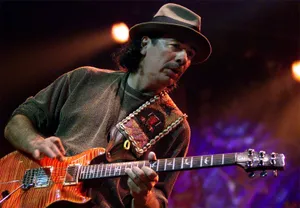
- Who sings/plays what: Gregg Rolie handles lead vocal and a Hammond organ solo; the double-time coda features Carlos Santana’s guitar solo and backing vocals.
- Sound/feel: A cornerstone of the band’s Latin-rock fusion—bluesy guitar over congas, timbales, and organ—helping define Santana’s early identity and influencing Latin rock’s development. (Arrangement details and credits per release notes.)
- Quick listen: Official audio is here if you want a refresher.
If you were after a different Santana track, titled “You’ve Got to Change,” say the word and I’ll chase it—otherwise, want a two‑liner on how “Evil Ways” moved from a Willie Bobo cut to Santana’s first big hit?
“Evil Ways” wasn’t written by Santana—it was composed by Clarence “Sonny” Henry and first cut by Latin‑jazz percussionist Willie Bobo on his 1967 album Bobo Motion. Santana picked it up from that Latin boogaloo groove and re-cast it in their emerging Latin rock sound.
Musical inspiration (why Santana gravitated to it):
- Carlos Santana has cited Willie Bobo as an early model for fusing Latin rhythms with blues, exactly the hybrid “Evil Ways” made possible. That lineage—Afro-Cuban percussion and blues guitar—was central to Santana’s identity and made the tune a perfect vehicle for the band.
- The band’s arrangement showcased Gregg Rolie’s Hammond B3 and a percussion-forward groove, with a double-time coda for Carlos’s guitar solo. This essential sonic element became a hallmark of Santana’s early style.
Lyric inspiration (what the song is “about”):
It’s a classic R&B ultimatum: a lover calling out a partner’s wandering/social “evil ways” and demanding change—hence the famous opening line, “You’ve got to change your evil ways, baby.”
How it reached Santana:
Before the 1969 hit, the song circulated on the West Coast Latin/soul scene via Bobo’s recording and a live 1968 version by The Village Callers—part of the repertoire pipeline Santana drew from in San Francisco.
Result:
Cut in May 1969 and released as a single on 30 December 1969, Santana’s take became their first U.S. Top‑10, peaking at #9 (21 March 1970)—cementing that Latin-rock blueprint for a mass audience and establishing the song’s importance in Santana’s rise to fame.